Creativity can help to bring balance when the news feels heavy
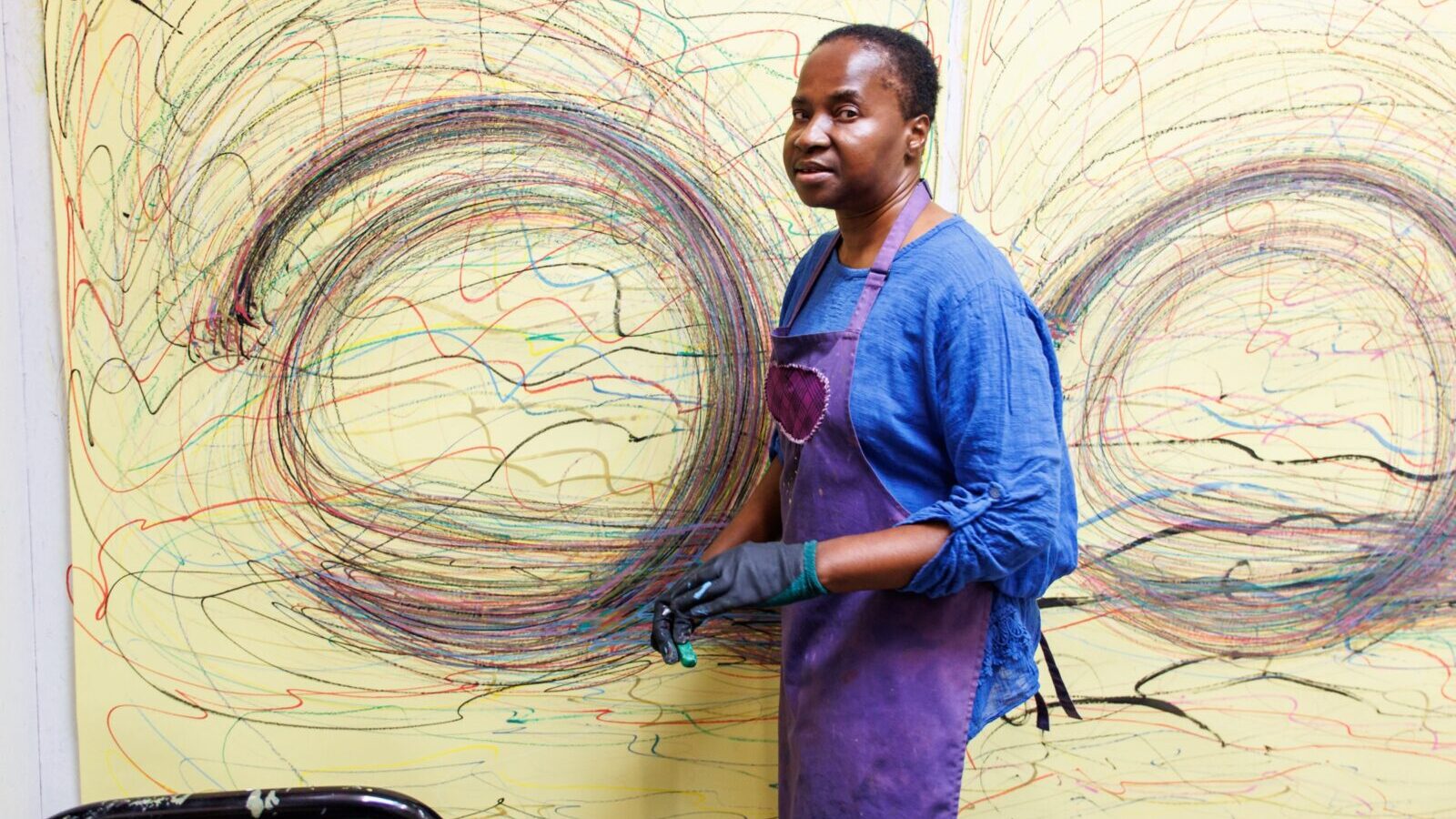
Nnena Kalu is the first person with a learning disability to win the Turner prize; creativity enables influence and participation in society. Photo: Seán Kelly/www.seankellyphotos.com
When the news is unsettling, many of us seek out positive stories. This is not about burying our heads in the sand – Community Living regularly reports on difficult issues – but about pursuing balance.
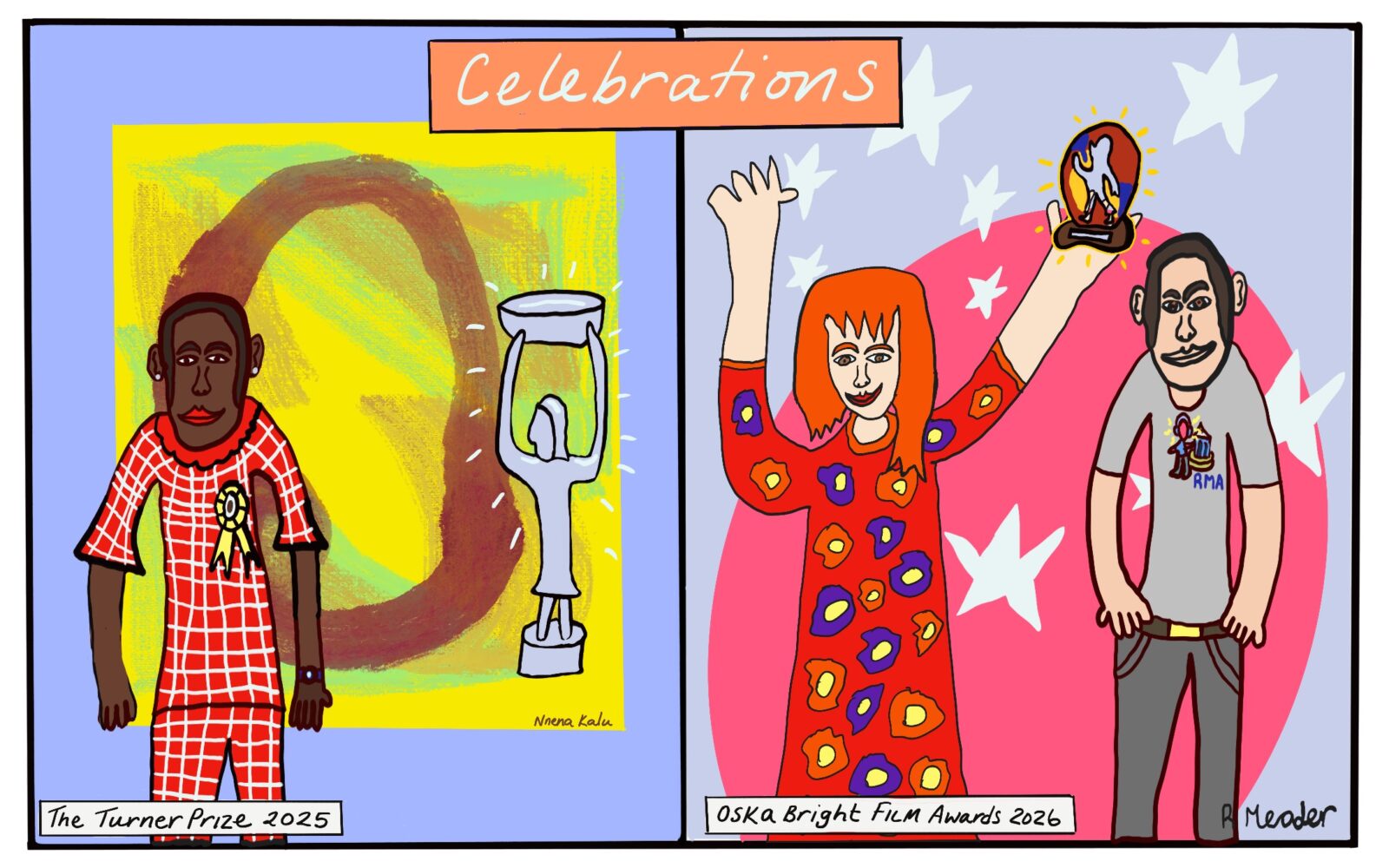
I write about artist Nnena Kalu’s Turner prize win in December; her achievement topped what felt like a significant year for disability representation in culture. Kalu’s win should drive wider understanding of creative achievement its different forms; my sister Raana loves making and, while she will never win any awards, her creativity still has value.
The Turner prize win topped what felt like a significant year for disability representation in culture and should drive understanding of creative achievement in its different forms
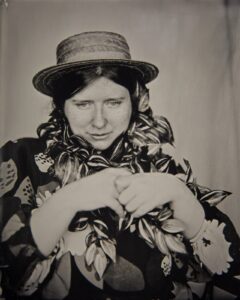
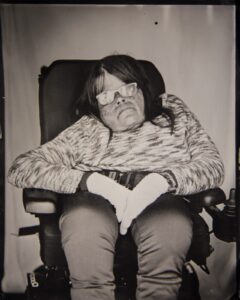
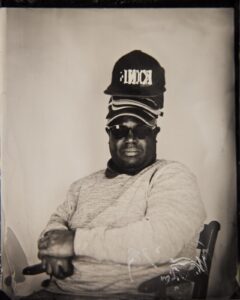
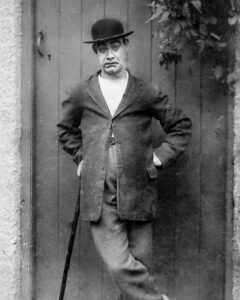
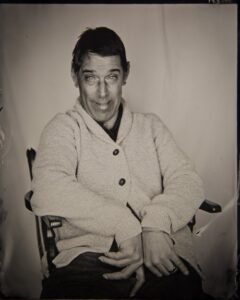
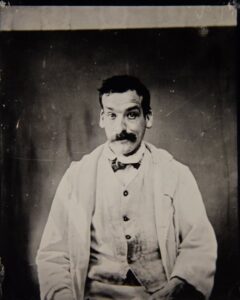
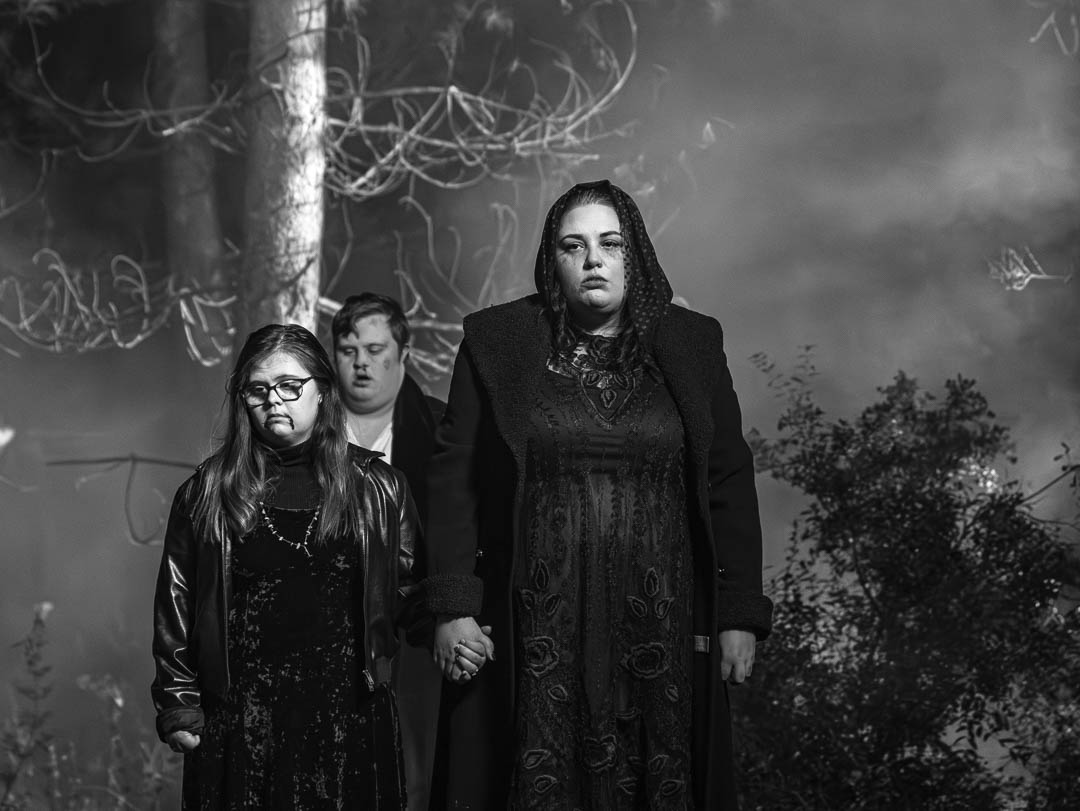
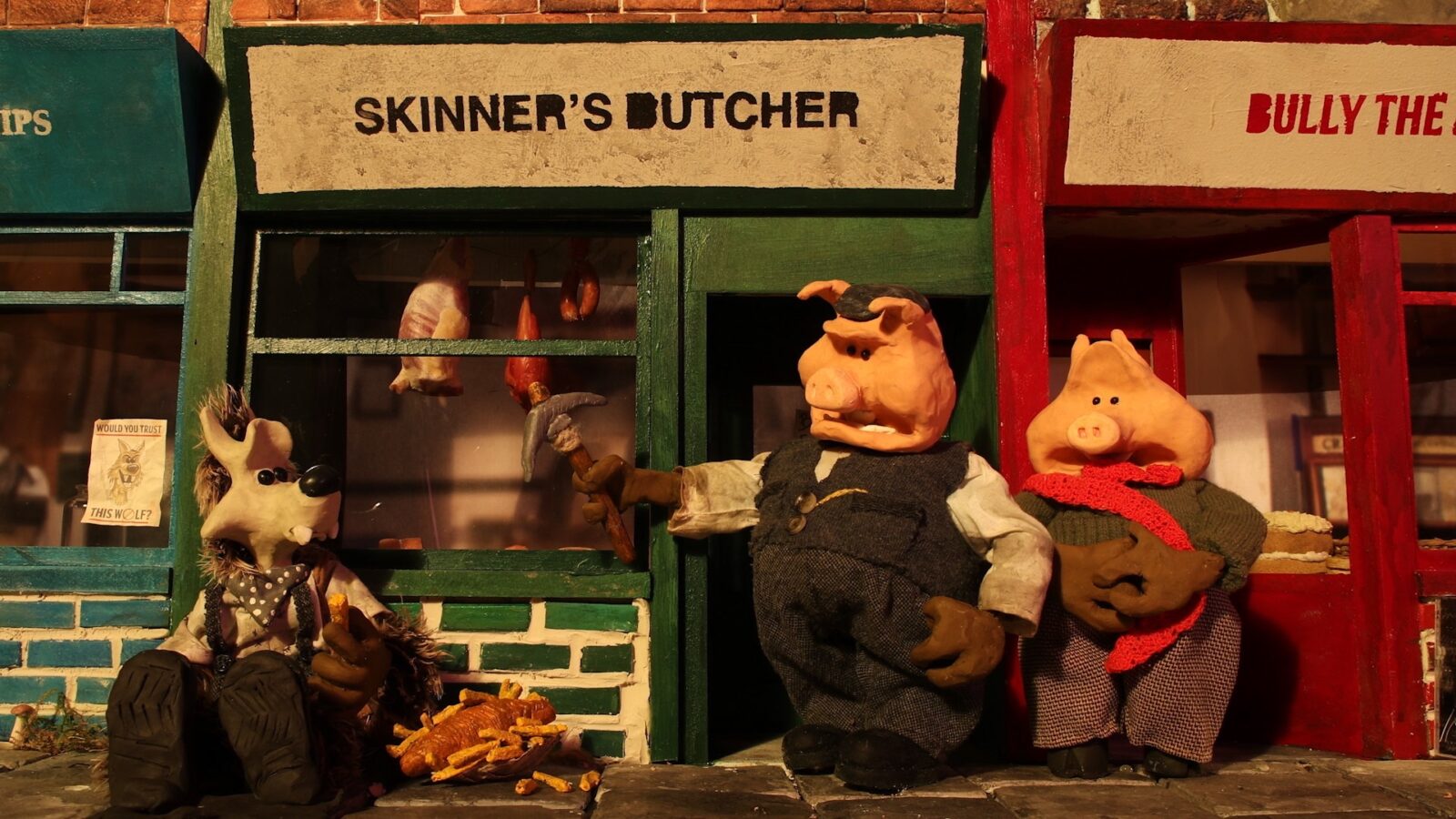
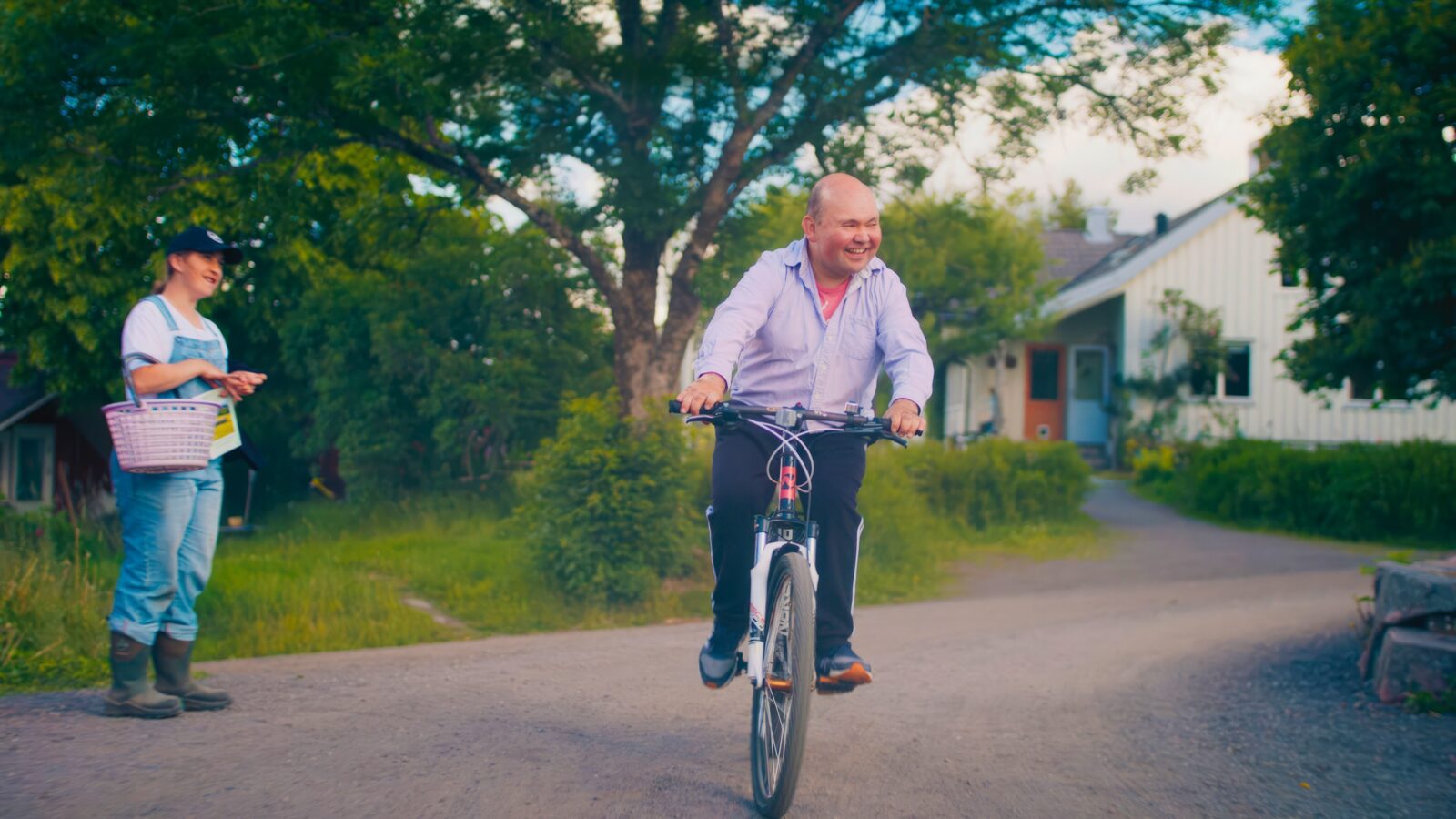
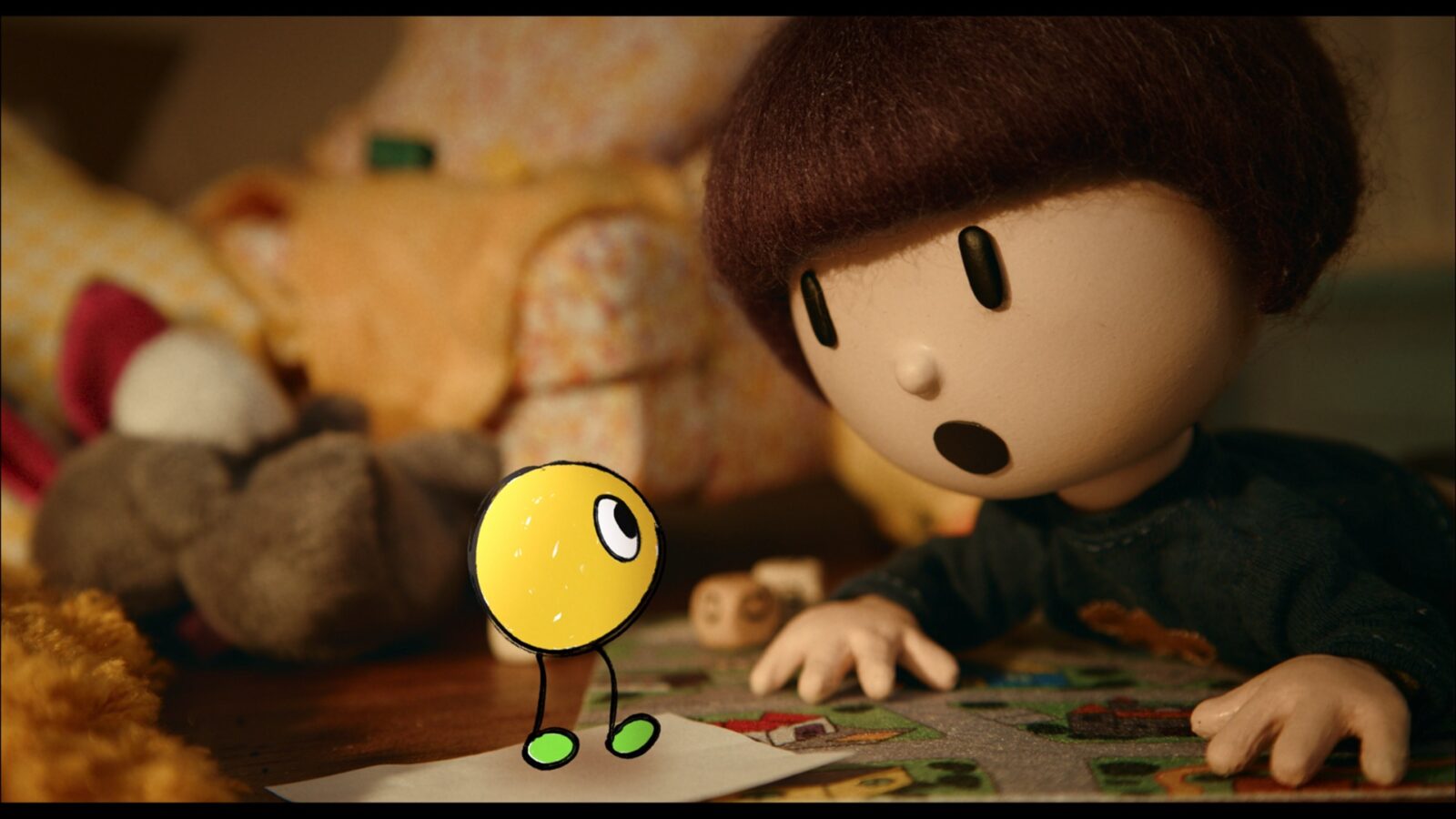
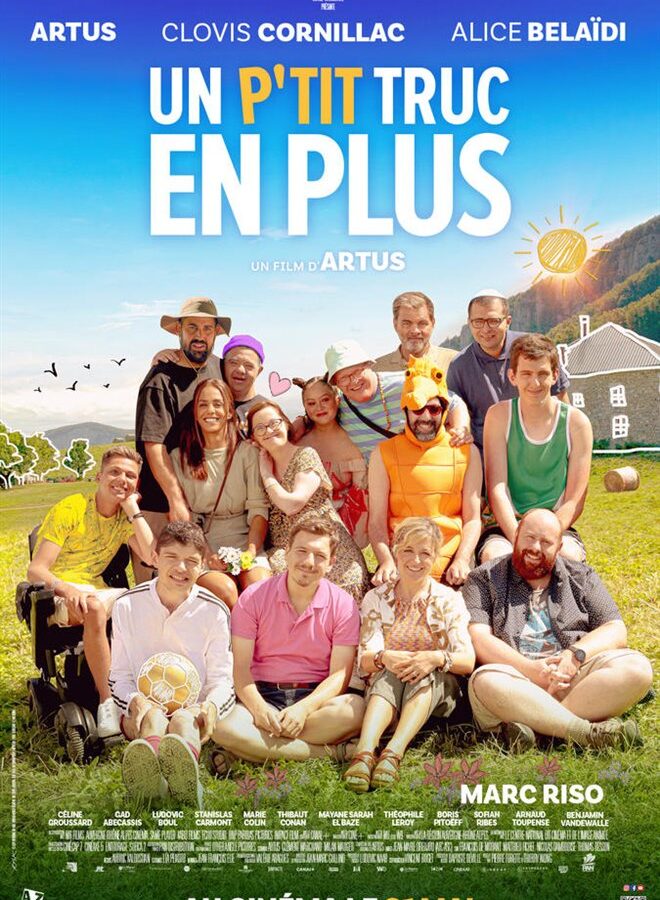
We should feel buoyed by cultural and media inclusion, such as on BBC’s Strictly Come Dancing or ITV’s interview series The Assembly. Arts correspondent Simon Jarrett, who has covered these shows, writes about a perceptive photography project, Us and Them, from Freewheelers Theatre.
Seen and heard
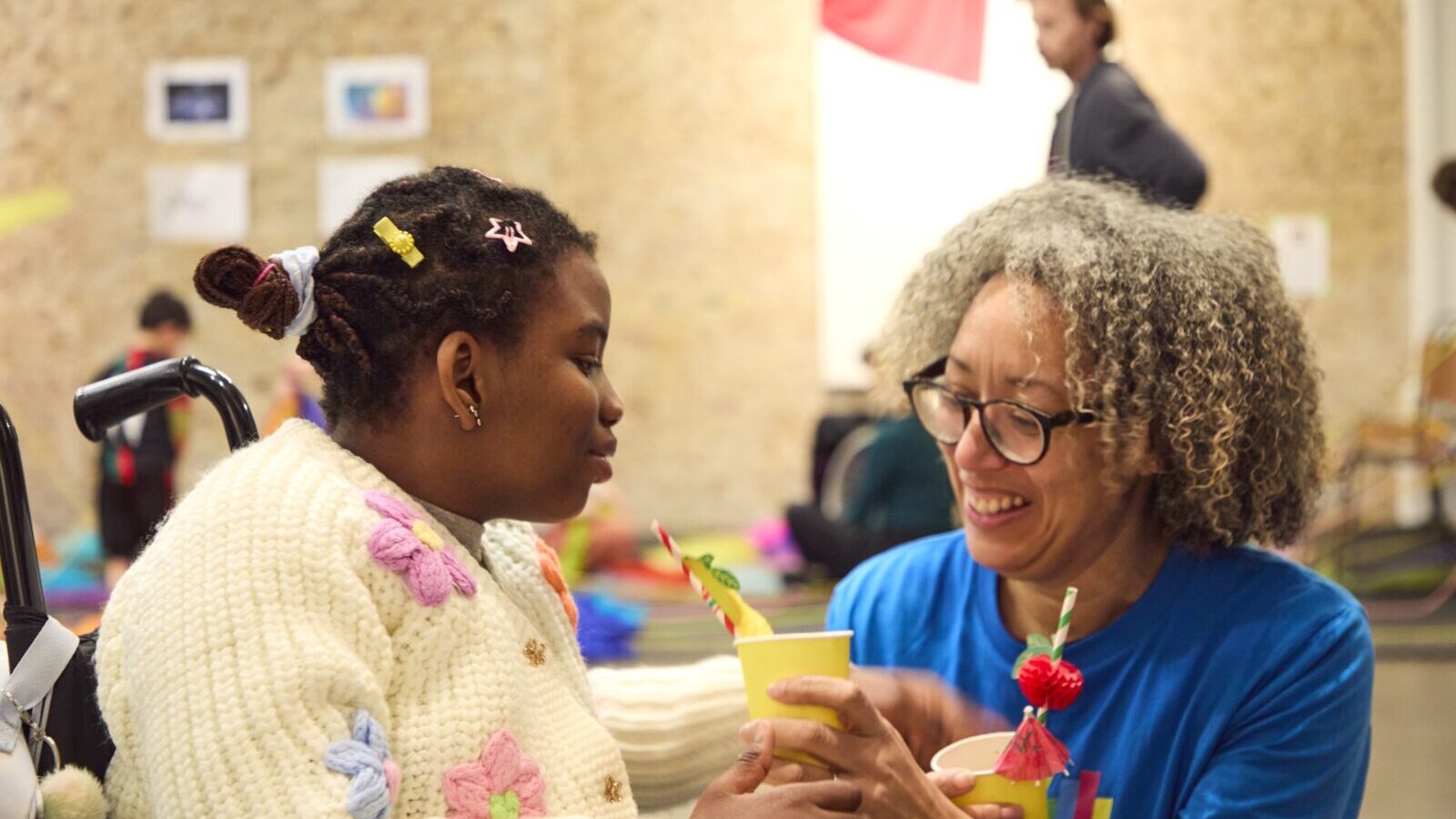
Jess Thom of arts body Touretteshero describes “connecting people with ideas and with each other in engaging ways”. A recent project explores barriers to play and creative approaches are key to joining in. A similar ethos fuels the Oska Bright Film Festival, which programmer Kirsty Pentecost tells us “gets our voices heard and shows the world what we can do”.
Mary O’Hara also urges us to find hope, writing about the activists fighting cuts in America who are “keeping despondency at bay – and securing some significant wins”.
We need to showcase such positives, whether in activism or arts, because of their potential effects. As the father of young autistic pianist Chapman Shum told me, the family shares his creativity and talks about disability so “more people who may have similar support needs might feel empowered to speak up or… be more visible”.
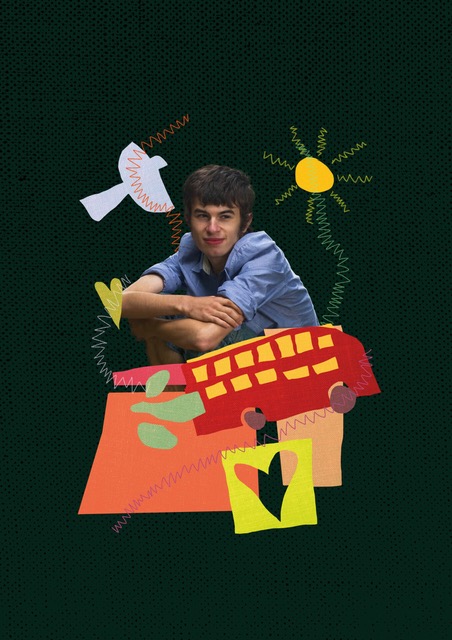
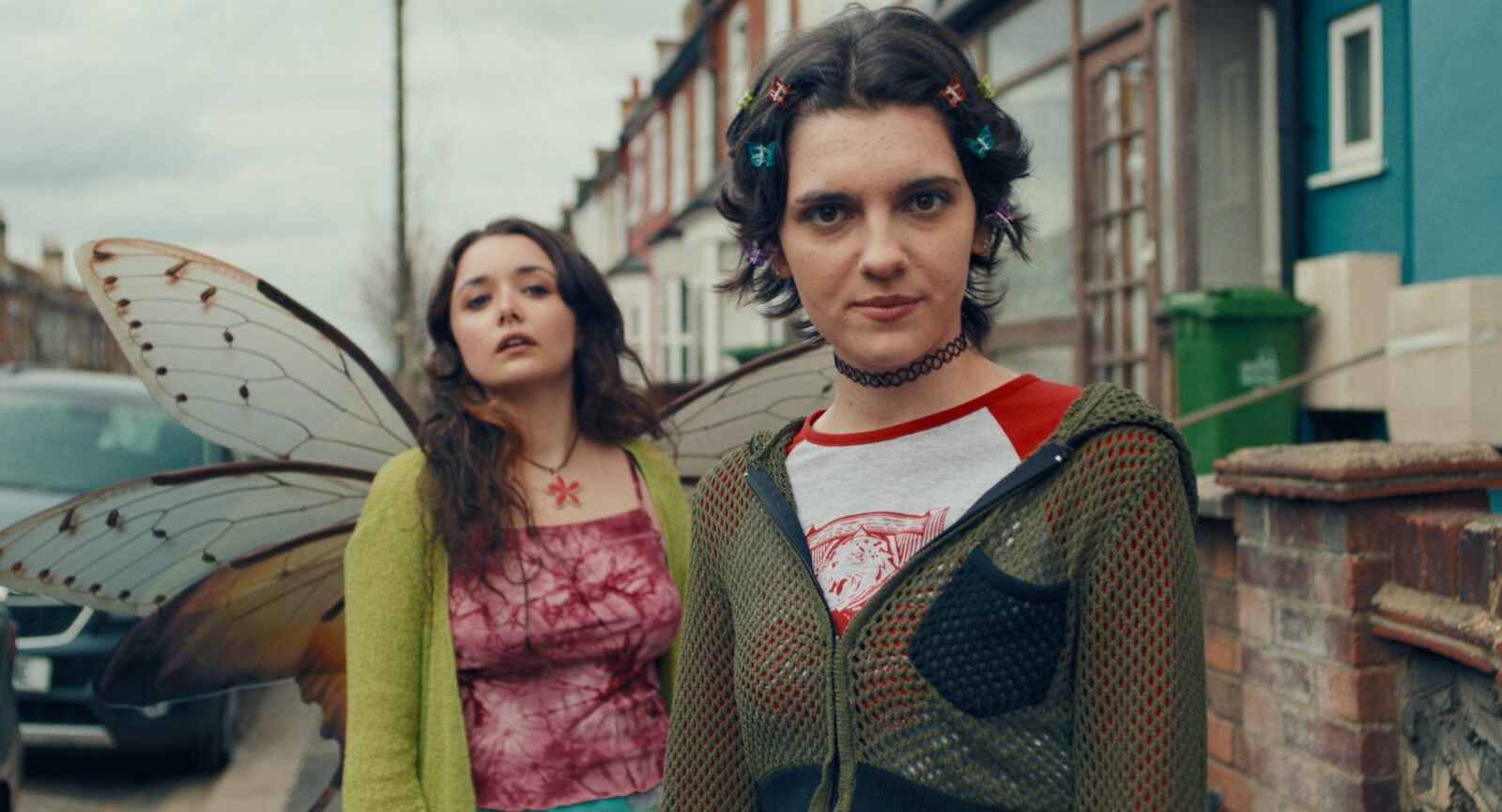
Artwork used for the theatre poster for Laughing Boy performances (see below for full story)
Call for protest over fears of eroded SEND rights
Plans were being drafted, as Community Living went to press, for a national protest to uphold the legal rights of children and young people with special educational needs and disabilities.
A coalition led by the campaign Save Our Children’s Rights said it was organising a demonstration following the schools white paper.
Many fear the plans will weaken long-standing protections relied upon by families; one example is the potential shift from support based on an individual child’s assessed needs to standardised specialist provision packages.
There are also concerns that legally enforceable provision in education, health and care plans (EHCPs) could be replaced with less legally binding individual support plans.
Other worries include higher thresholds for EHCP assessments, reduced rights to appeal review decisions, limits on requesting specific school placements and weaker protections for children in alternative education or post-16 training settings.
Exhibition shows life at first hand
The Our Life Stories exhibition, supported by United Response, has showcased first-hand experiences around England from more than 80 people with learning disabilities.
The display, which visited York, Nottingham, Cornwall and London, disclosed everyday life, achievements and interests through interviews and personal objects.
Detention in Wales hospitals is a ‘scandal’
Better community support, stronger legal safeguards and an end to unnecessary hospitalisation are key to ending a “human rights scandal” in Wales, according to a recent report.
As campaigners in Wales have warned (These Hospitals are not Nice Places, summer 2024) people with learning disabilities and autistic people – including children – are detained in hospitals without clear medical justification because adequate community support is lacking.
Families have reported restrictive practices such as physical restraint, medication and solitary confinement.
The report calls for reform.
Theatre is a place for welcome and influence
Live theatre can challenge perceptions and create meaningful experiences for audiences with support needs, according to an exploration by Manchester Metropolitan University of the play Laughing Boy.
Laughing Boy tells the story of 18-year-old Connor Sparrowhawk and the campaign for justice following his death in 2013.
Sparrowhawk, who was autistic and had a learning disability and epilepsy, was known as Laughing Boy. He drowned in the bath in a short-term assessment and treatment unit run by Southern Health NHS trust.
Researchers held a workshop with a self-advocacy group and interviewed six cast members who performed in the play in London (Laughing Boy: Story on Stage, spring 2024).
Small, thoughtful adjustments, they concluded, can make theatre more inclusive and live performance can create meaningful experiences for audiences with support needs. Adjustments included running two relaxed performances each week and accessible information on how to reach the theatre.
News briefs
Access to work bids rise
Applications to the Access to Work scheme have more than doubled in seven years, according to a National Audit Office (NAO) report, from 76,100 in 2018‑19 to 157,000 in 2024‑25. This was driven largely by more recognition of support needs. In 2024‑25, the average processing time was 66 days. The NAO urged the Department for Work and Pensions to embed evaluation in it to assess its effectiveness and value for money.
Carers lack respite
The final report from the Tired of Spinning Plates project, which aimed to understand and improve the mental health experiences of carers of adults with learning disabilities, highlighted how carers value those they care for but lack adequate respite. Services that should help often add pressure, the report said, and carers worry about the future and struggle to find time for their own wellbeing.
Verbal therapy unsuitable
Standard mental health programmes often fail autistic children, research from the University of York and the Centre for Mental Health has found. Interventions such as cognitive behaviour therapy and mindfulness, which rely on verbal reflection, can be stressful or cause sensory overload. Some children hide distress, risking burnout and limiting the benefits.
Freedom of the city
Dan J Harris, Neurodiversity in Business founder, has been awarded Freedom of the City of London. Harris works with his son Joshie, a non-speaking autistic advocate known as The Joshie-Man, to push for dignity, inclusion and representation.
All Update stories are by Saba Salman unless otherwise stated
What’s on our radar…
Fair pay plans are inadequate and social care is ‘cobbled together’. Saba Salman reports
The government’s proposed Fair Pay Agreement (FPA) is “unworkable” without full funding and the involvement of councils, according to the Local Government Association. The FPA in adult social care would set legally enforceable minimum pay and working conditions for all care staff, rather than leaving pay and terms decisions to employers or councils. Councils spent £26.7 billion on adult social care in 2025-26 (40% of budgets) and critics fear the government’s £500 million FPA allocation for 2028 would barely cover 1.6m workers.
Baroness Casey, chair of the social care commission, has described the system as “cobbled together” and lacking ownership and accountability. In a speech, she highlighted that 16.1m people describe themselves asdisabled and older populations are growing faster than the workforce. She also called for a national care service to ensure consistency and quality. Her commission plans to release medium-term reforms this year and long-term proposals by 2028.
Public and political engagement in change in social care is weak, according to a King’s Fund report. This noted that such reforms have become an electoral “taboo” since the 2017 “dementia tax” row, leaving politicians and policymakers wary of proposing changes. Politicians and the public need to be convinced that social care is a national priority; it lags behind immigration, the economy and the NHS as a priority for the public. The report reflects how care reform requires not just funding and structural changes but also cultural shifts to bridge the divide between health and social care and improve pay and working conditions.
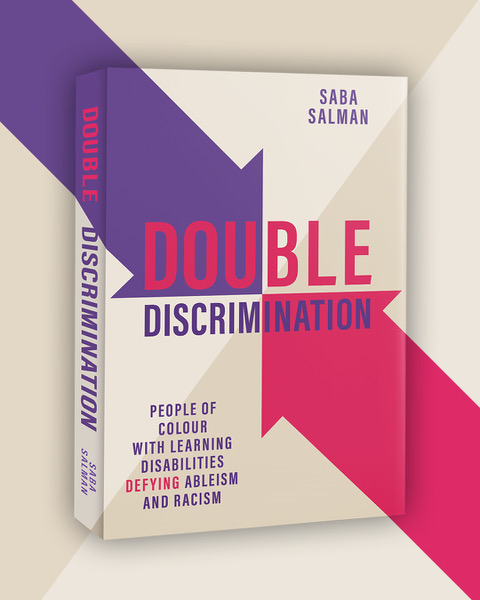
Leading figures from the learning disability world – including a raft of Community Living collaborators – feature in a new book about racism and ableism.
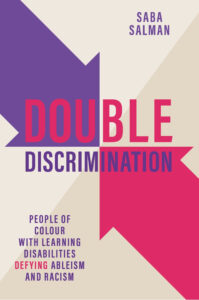
Community Living editor Saba Salman worked with self-advocates, family campaigners, professionals and allies on Double Discrimination, published on 21 May. Salman’s many collaborators include activist and researcher Paul Christian, campaigner Shalim Ali and Professor Chris Hatton.
Double Discrimination argues that whilst white privilege, unconscious bias and institutional discrimination have become high profile issues, learning disabled people of colour continue to be excluded from the conversation.
The book, previewed in Community Living, is driven by personal and family experience. It reveals the depth of the inequality faced by learning disabled people of colour while also showing how to challenge injustice through the stories of those fighting limiting systems and perceptions.
Double Discrimination is available for pre-order and will be published 21 May by Jessica Kingsley Publishers – Community Living readers benefit from 20% discount using the code %DOUBLE20 when ordering direct from the publisher
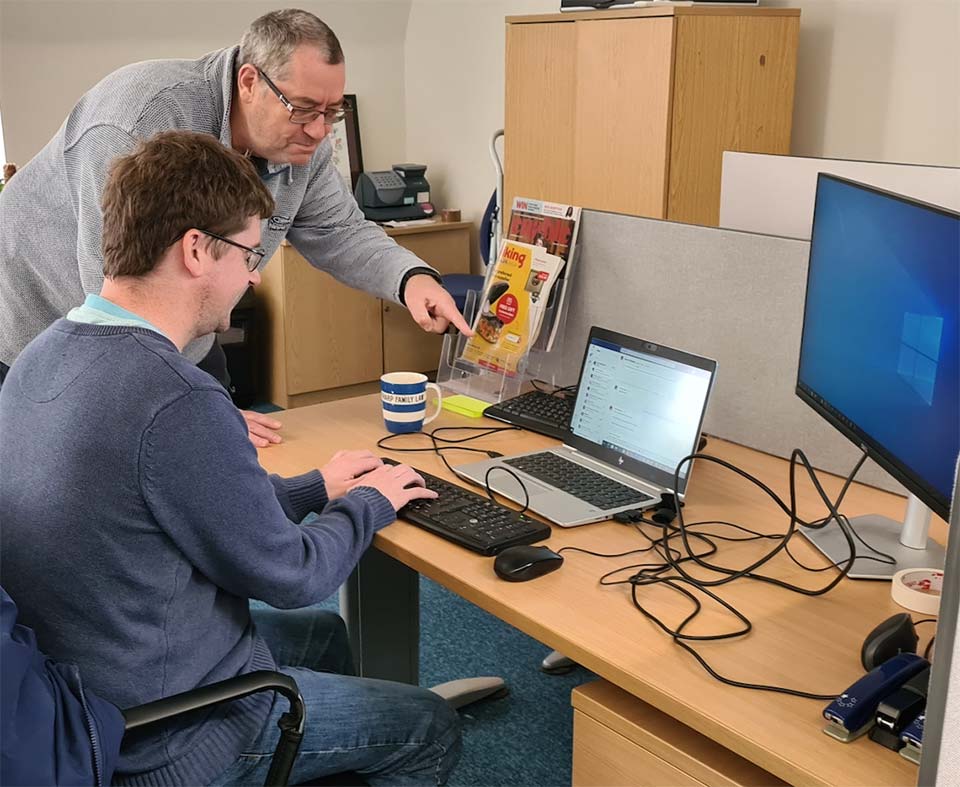
There has been a sharp rise in employment tribunal cases involving autism. Employers need to understand what amounts to a disability, says Saba Salman
Photo: Pexels
Autism is among the most common conditions linked to employment tribunal cases, according to a recent analysis.
Law firm Irwin Mitchell examined government tribunal data which showed that cases linked to the broad term “neurodiversity” (which includes autism and ADHD) had almost doubled in five years.
In 2020, HM Courts and Tribunals Service recorded 265 employment tribunal cases involving such conditions. By 2025, the annual total had increased to 517 cases – a rise of around 95% over five years.
Disability discrimination in general is among the most common reasons for employment tribunal claims.
According to the Advisory, Conciliation and Arbitration Service, in 2024-25, disability discrimination issues were raised in 16 per cent of claims it received, compared with nine per cent the year before.
Jenny Arrowsmith, employment partner at Irwin Mitchell, said: “The steady rise in tribunal claims linked to neurodiversity should be a clear warning sign for employers. Many cases arise, not because of deliberate discrimination, but because businesses fail to recognise their legal obligations early enough.”
Arrowsmith said employers need more than a one size fits all approach, which means understanding what amounts to a disability under the Equality Act, making reasonable adjustments to support individuals and ensuring managers are trained to respond.
She added: “Employees don’t need a formal diagnosis to obtain protection. If their condition has a substantial and long-term adverse effect on their ability to carry out normal day-to-day activities, they are disabled. This triggers the duty to make reasonable adjustments.”
A worker needs to give their employer some idea of the adjustments they need.
A historic case often held up as an example of a successful tribunal disability discrimination claim is Di Benedetto v Guy’s and St Thomas’ NHS Foundation in 2011.
Many cases arise because businesses fail to recognise their legal obligations early enough
The case involved a claim by a kitchen assistant who had a learning disability. She was called to a disciplinary hearing after an ambulance driver alleged she had spat in his drink.
Law firm Weightman’s recently said of the case: “The letter calling her to the hearing contained long words and phrases she did not understand and she was not provided with representation.”
The tribunal found clearer language should have been used in correspondence and Benedetto provided with an advocate.
How tribunals work and what they can do
Employment tribunals are independent and administered by HM Courts and Tribunals Service.
These tribunals make decisions in disputes relating to employment law. They hear claims from people who think an existing or prospective employer has treated them unlawfully. Such treatment includes:
Unfair dismissal
Discrimination at work
Unfair deductions from pay.
Claims have to be started within three months. If someone thinks they have lost a job unfairly, this period starts from the date the employment ended. If the claim is about a pay dispute or discrimination, it begins when this happened.
Claimants must check if there is another way to solve the complaint before making a tribunal claim, such as using a grievance process; all employers should have a grievance procedure.
The respondent usually has to reply to a claim in writing within 28 days. Once they have replied, the tribunal will decide whether a full hearing is needed.
There may be a preliminary hearing after which the judge will decide on things such as:
Whether part or all of a claim can go ahead
The date and time of a hearing
How long the hearing should take
How the claimant and respondent need to prepare for the full hearing.
If the claimant wins, the tribunal can order the employer to do certain things, such as:
Paying compensation
Paying any witness expenses
Taking steps to reduce the effects of discrimination
More people are being rejected by a scheme to support people to take up and hold down a job, and payments are being reduced and delayed. Charlie Callanan reports
Photo: NDTi (from a previous Community Living article about in-work support)
Disabled people have raised concerns about problems with the Access to Work (AtW) scheme. Many employed disabled people rely on this to be able to take up and remain in a job.
AtW is intended to help people overcome work-related barriers resulting from their disability. It may assist with matters that fall outside the reasonable adjustments that employers must make to support a disabled person to do their job.
The help provided can include, for example, a reader or communicator for somebody with a visual impairment or hearing loss, specialist equipment such as screen reader, a support worker or taxi fares if a disabled person cannot use public transport to get to work.
That is certainly the theory. However, many problems exist, which have been long and widely reported in the media.
Delays and rejections
Stephen Darling: asked the government whether officials had been instructed to cut support. Photo: House of Commons
These include delays in assessment and decision-making for new and renewal applications. This has led to disabled people having to wait a long time for their ‘grant’.
There have been many stories from those affected. Some news reports suggested that, during 2025, there were increases in the number of applications being rejected and AtW recipients seeing cuts to their existing payments.
In a parliamentary question last year, Liberal Democrat MP Steve Darling asked the government if new guidance had been issued to Department for Work and Pensions (DWP) officials to reduce levels of support.
Sir Stephen Timms, the secretary of state for work and pensions, replied: “In the past, some restrictions in the guidance have not always been implemented.
“The guidance is now being more consistently applied… work has been under way to improve scheme decision-making by applying the guidance with greater consistency, to provide a fairer process.
“This may mean that some awards change at the point of renewal, but there has been no change in scheme policy, or instruction to reduce support levels.”
The National Audit Office recently published a report about the AtW scheme. Primary among its finding was demand.
Between 2018‑19 and 2024‑25, applications to AtW more than doubled from 76,100 to 157,000. The total number of people who received payments increased over the same period by 97% from 37,700 to 74,200. Just over half of recipients in 2024-25 were recorded as having a mental health condition or a learning disability.
Despite the DWP employing significantly more staff and improving productivity, the National Audit Office found the delays in processing applications had created difficulties for individuals and employers including less job security as well as cashflow pressures for businesses, particularly small enterprises.
The guidance is being applied more consistently. This may mean some awards change but there has been noinstruction to reduce support levels
Inefficiency admitted
It said that “systems remain inefficient, and the backlog [of applications] is not expected to fall significantly without policy change, additional budget or productivity improvements”.
The consultation on the 2025 green paper, Pathways to Work: Reforming Benefits and Support to get Britain Working, included the theme of making work accessible.
This looked at improving the AtW scheme as part of an initiative to improve employment prospects (including for disabled people) in the UK. It said it particularly encouraged responses from disabled people and those with health conditions, carers and their representative organisations.
The consultation posed questions about AtW. These concerned: its future delivery model; what parts of the scheme should be funded by the government to maximise the impact and reach of a future AtW scheme; and what the future role and design of the scheme should be.
Any proposals on the changes to or development of the scheme are yet to be announced.
A 16-year-old with a learning disability was detained in the home of a family acquaintance where she was subjected to decades of abuse and exploitation. While the perpetrator is now behind bars, George Julian asks: how could a teenager have just disappeared?
The police described the victim’s room as like a prison cell. Photo: Colin Manton/geograph.org.uk/CC BY SA 2.0
A woman has been sentenced to 13 years in jail for modern slavery offences after she kept a learning-disabled person prisoner in her home for 25 years.
In January 2026, a jury at Gloucester Crown Court found Amanda Wixon, a 56-year-old mother of 10, guilty of one count of false imprisonment, two counts of requiring a person to perform forced or compulsory labour and three counts of assault occasioning actual bodily harm.
Wixon had forced the victim to do manual labour, assaulted her regularly and deprived her of food and healthcare.
The woman Wixon held in her house for 25 years was a learning disabled person, whose name we do not know. Now in her 40s, she knew Wixon through family connections and had spent time with her family as a child. When she was 16, she went to Wixon’s house to stay for a weekend in 1996, where she was detained and never allowed to leave.
For 25 years, Wixon kept the woman in filthy conditions, locking her in and depriving her of food, healthcare and dental care.
She was discovered at the house by police in March 2021. She was found by police in March 2021, following a call from one of Wixon’s sons who was concerned about her welfare.
When the police arrived, she told them: “I don’t want to be here. I don’t feel safe. Mandy hits me all the time. I don’t like it. I haven’t washed for years. She doesn’t let me.”
The evidence shared in court was very distressing. The woman’s access to food was limited; she was allowed only one meal a day, usually leftover food or scraps. She would hide sweet foods to eat in secret when she was hungry.
For 25 years, she was held in filthy conditions, deprived of food and of health and dental care
The woman was not allowed to leave the house. She was expected to bathe the children in the home but she was forbidden from washing herself, having to wash secretly at night.
The woman was made to clean Wixon’s house and, when the police discovered her, she had calluses on her feet and ankles from constantly being on her hands and knees cleaning floors.
Wixon had claimed the woman’s benefits since 2000 and they were paid into Wixon’s bank account. She did not pass the money onto the woman, forcing her to live in poverty and wear clothes passed down to her.
The woman was expected to care for Wixon’s children and carry out domestic chores, such as serve the family their meals, wash the family’s clothes and do the washing-up.
When police officers went to the house, they described the bedroom the woman was living in as like a prison cell. Other bedrooms were dirty and untidy.
The video footage from the police officers’ cameras captured the woman, showing her to be thin, timid, unwashed and scared.
She also had a bruise that she said Wixon had inflicted on her. The court heard the woman had been beaten regularly by Wixon.
Dickensian story
She told police that Wixon had strangled her and put her head down the toilet. She had bleach splashed in her face, had her head repeatedly shaved against her will and had washing-up liquid squirted down her throat.
Wixon had hit the woman in the face with a broom handle, causing her to lose her teeth. She had been denied healthcare and dental care for decades.
Judge Ian Lawrie said there was a “Dickensian quality” to the story as Wixon was found guilty.
Laura Burgess, a senior district crown prosecutor for the Crown Prosecution Service, said: “Amanda Wixon subjected the victim in this case to decades of unimaginable cruelty, exploitation and control.
“She was denied her freedom, her dignity and even the most basic autonomy. The progress she has made since being removed from this oppressive environment is a testament to her strength.
“Our thoughts remain with her as she continues to rebuild her life, and I hope she can find some comfort in seeing justice delivered today.”
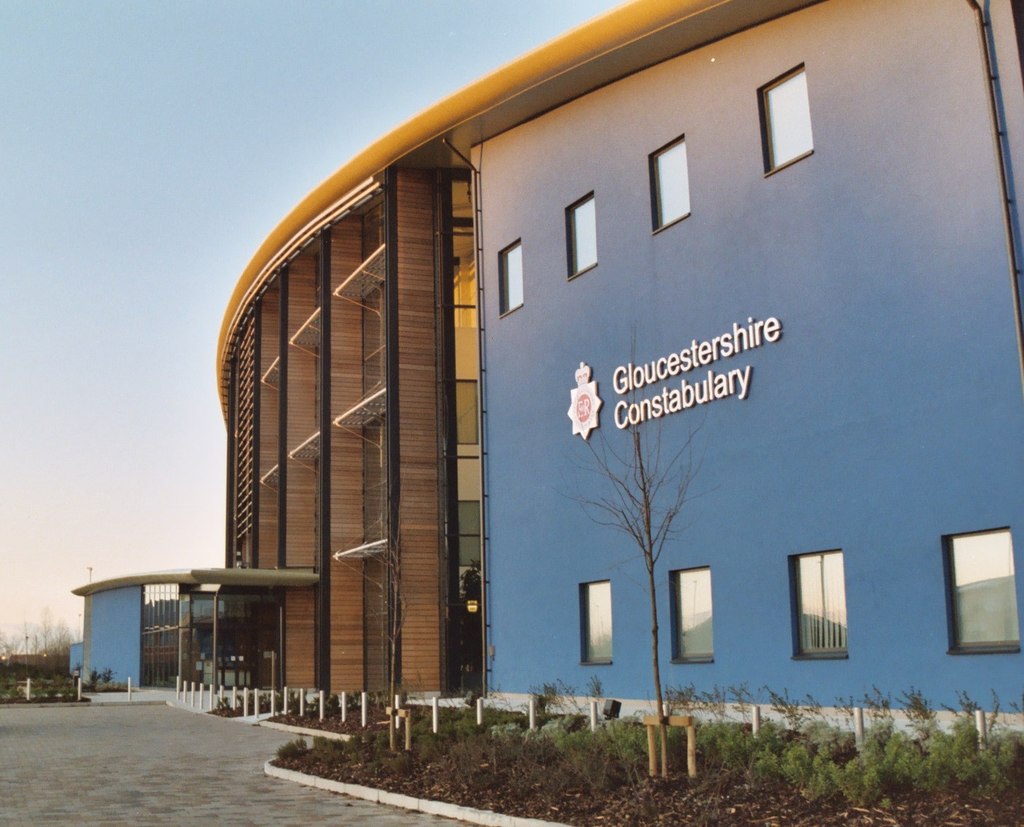
Detective Constable Emma Jackson from Gloucestershire Police said: “Wixon kept an extremely vulnerable victim captive in appalling conditions for over two decades.
“Instead of caring for her, as she was supposed to, she exploited her and forced her to work in domestic servitude whilst subjecting her to the most cruel and inhumane treatment.
“I commend the victim in this case for reaching out for help. Knowing all too well what the violent consequences would have been if she’d been caught, it was incredibly courageous of her.
“I’m pleased to say that the victim, with the help of her wonderful Shared Lives carer, is now flourishing. She’s healthy and enjoying the freedoms Wixon denied her of for so long.”
How could this happen?
Sam Jones, acting for the prosecution case in court, told the jury that the woman had in effect “disappeared from society”.
Social services had been involved with the family in the late 1990s, but there were no records of any contact since then. There were also no medical or dental records for the woman.
She was denied her freedom, her dignity and even the most basic autonomy. I hope she can find some comfort in seeing justice delivered
No records
Jones said: “The fact remains that nothing was done by social services… The lack of records from the hospital, the doctor and the dentist or any involvement with social services for 20 years provides further support of her never being allowed to leave
the house.
“By the late 1990s, it appears the woman disappeared into a black hole. Not a single meeting that left a record.”
How can a learning disabled 16-year-old just disappear and no one notice? As yet, no safeguarding adults review looking at this case has been published.
Modern slavery: how to spot signs of a large yet hidden problem
Modern slavery in the UK includes people being brought to the country to take part in criminal activities and for sexual exploitation. It also involves people who live here being exploited, such as children forced into drug trafficking, or vulnerable people being made to work in homes, shops, nail bars or car washes.
Modern slavery is by its nature hidden, so it is not possible to know the extent of the problem. The Home Office collects data on the numbers of people referred to authorities.
Anti-Slavery International at the end of 2024 reported there were 19,125 potential victims of modern slavery – the highest number of referrals since the records began in 2009. Of these, 31% were children. Nearly one in four – 23% – of those referred were British nationals.
In 2024, labour exploitation was the most common form of slavery in the UK, followed by criminal exploitation.
Someone in slavery might, according to Anti-Slavery International:
Appear to be under another’s control and reluctant to interact with others
Have few personal belongings, wear the same clothes every day or wear unsuitable clothes for work
Not be able to move around freely or have access to personal identification
Be reluctant to talk to strangers or officials including police or health workers
Appear frightened or withdrawn, or show signs of physical or psychological abuse
Be dropped off and collected for work always in the same way, especially at unusual times – very early or late at night
The UK Modern Slavery and Exploitation helpline run by charity Unseen is 08000 121 700
Legal requirements on free transport to school or college vary depending on learner age and councils are getting this wrong. Saba Salman reports on an ombudsman case
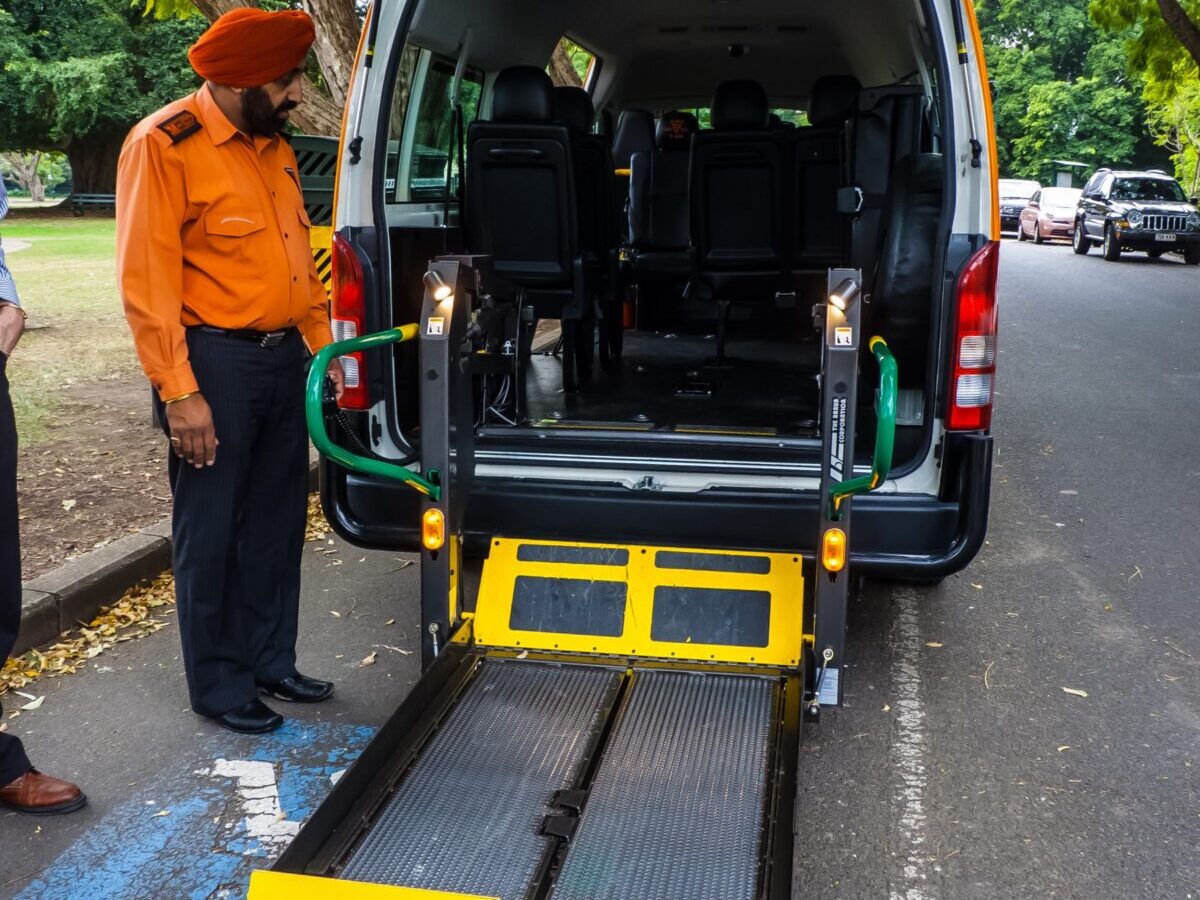
Accessible transport: the ombudsman said similar cases around transport to college were occurring around the country. Photo: John Robert McPherson/Wikimedia Commons/CC BY 4.0
A public sector watchdog has warned councils they must not fail disabled young students with a right to travel support after a local authority refused to provide free transport to college for a young woman.
The Royal Borough of Windsor and Maidenhead Council has agreed to apologise after the Local Government and Social Care Ombudsman (LGSCO) found it at fault, having caused “avoidable frustration, avoidable time and trouble and uncertainty” to the young woman with complex needs.
The council, said the ombudsman, must also consider if it should provide her with free transport to get to college and review cases of other disabled adult learners in a similar situation are owed free transport.
The young woman has an education, health and care plan (EHCP), cannot travel independently and needs support with most tasks. She has had free transport for her education since she was three years old.
Duty towards adult learners
Yet when she began college in September 2024, Windsor and Maidenhead offered her family £1,200 a year towards travel costs even though its own calculations put the cost of suitable transport as high as £15,200. The council had information showing the family was on a low income.
Legal requirements for disabled adult learners aged 19–25 with an EHCP are different from those covering sixth-form students and the council had confused the two.
Under the Education Act 1996, local authorities have a legal duty to provide transport free of charge where they consider it “necessary” to help some young adults attend education or training.
This applies to adult learners aged 19-25 years who have an EHCP and attending an education setting arranged by their council. If the authority decides a young person needs transport to get there, it must provide this for free.
However, the woman’s mother had had to drive her to college for over a year, using money from her care budget – funding intended to support her independence.
The family had appealed twice before approaching the LGSCO. The mother said the council’s approach had caused her distress and mental health issues and also lost her money and work opportunities. in addition, it had affected her daughter’s access to education and reduced her independence.
The LGSCO found Windsor and Maidenhead caused unnecessary distress, financial hardship and wasted time.
Left to pick up the pieces
Ombudsman Amerdeep Clarke said: “Because of the council’s misunderstanding of the way education transport should be funded for different age groups, this young woman’s access to education was put at risk, and her mother was left to pick up the pieces – financially and practically.”
Cruciually, Clarke said this was “not an isolated case”; her office had found authorities around the country were confusing the rules for pupils of compulsory school age, sixth form and adult learners with an EHCP.
She said: “Councils have a clear duty to look at each person’s circumstances individually, and to apply the right rules for adult learners with an EHCP. In this case, the council did neither.
“I am pleased it has now agreed to reconsider its decision, and hope the lessons from this case will ensure this does not happen to anyone else.”
As well as the apology, the council must pay £500 in compensation, look again at the case with the correct rules and repay transport costs if it decides it should have provided the transport free.
Windsor and Maidenhead also has to update its policy to ensure the failure is not repeated.
In the face of vicious cuts and a shift in attitudes towards disabled people, sticking together to fight back is keeping despondency at bay – and securing some significant wins
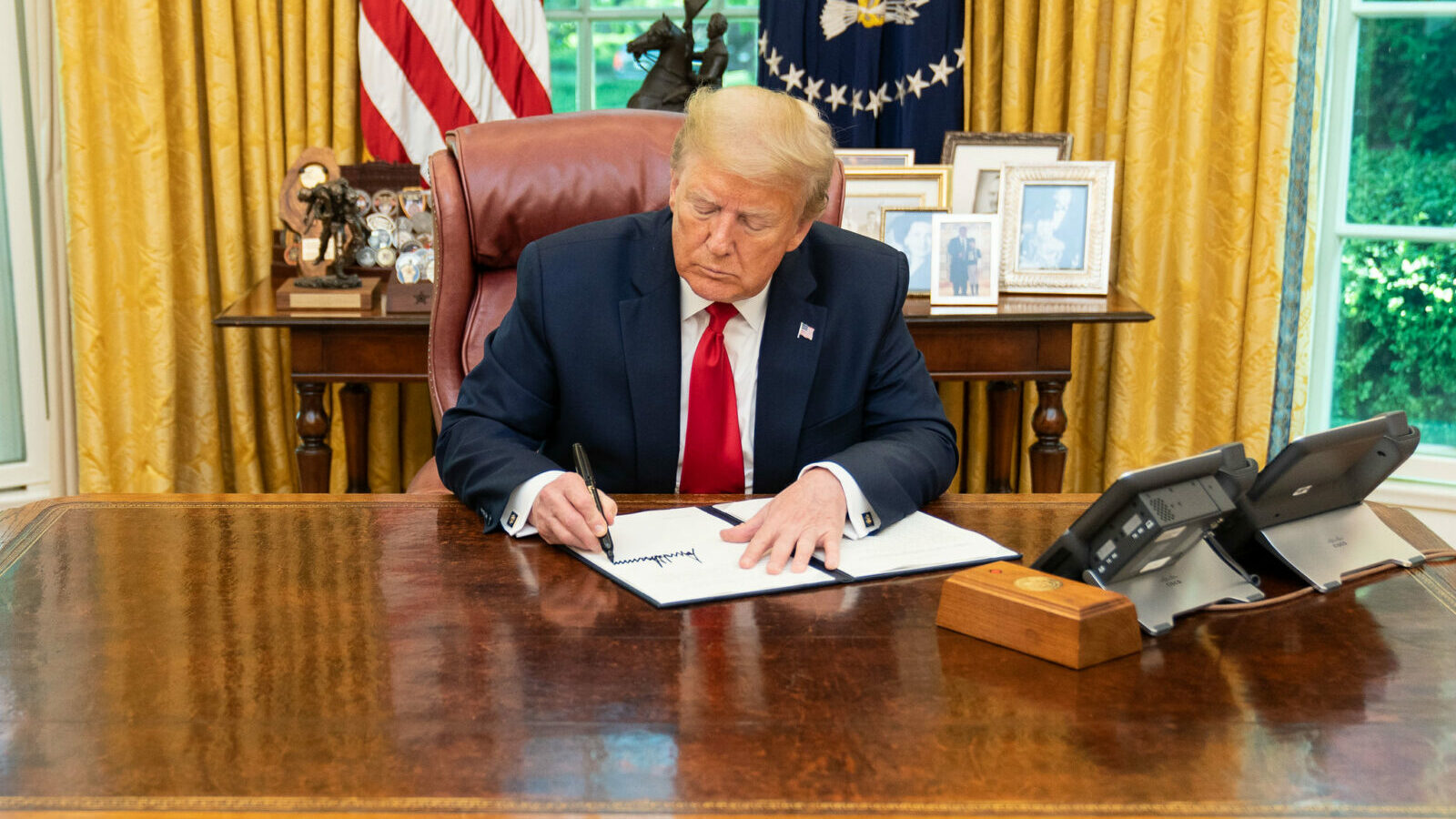
President Trump Signs an Executive Order. Photo: The White House, (Flickr, Public Domain)
Ever since the Trump administration came to power at the beginning of 2025, a slew of long-established disability programmes, including those supporting adults and children with learning disabilities, have been on the chopping block or fallen victim to personnel cuts.
This column has already laid out some of the most egregious actions, including mass layoffs of Department of Education (DOE) civil servants overseeing programmes for children and young people, undermining decades’ long struggles for inclusion.
Derogatory language
Since then – perhaps emboldened by so many flagrant policy attacks – the word “retard” has been raising its ugly head again. On his social media site, Truth Social, Trump used the word as a slur against Minnesota governor Tim Walz. Walz’s teenage son Gus, who has a learning disability, had been mocked when Walz was running for vice president in 2025.
Earlier this year, The New York Times reported on a worrying resurgence in the use of the term across social media and politics.
In the face of such blatant assaults on rights and dignity, it would be understandable if hopelessness took root. However, rather than be blindsided by chaos and dehumanisation, disabled people, advocacy groups and their allies have not only been fighting back – they have also secured some critical wins, at least on the policy side.
In January, in a rare act of bipartisanship (and after dogged advocacy from groups and individuals all over the country), congress resolutely rejected cuts to disability projects proposed in the president’s budget.
It would be understandable if hopelessness took root. However, disabled people, advocacy groups and their allies have been fighting back
Programmes spared included the University Centers for Excellence in Developmental Disabilities, regarded as a linchpin of community inclusion. Wins also included protection of funding for training new special education professionals.
In a further rebuff to the president, congress also (at least for now) preserved the DOE’s authority to enforce education laws.
Kim Musheno, director of Medicaid policy at The Arc, the US’s largest community-based organisation advocating for people with intellectual and developmental disabilities and their families, says the impact of recent advocacy cannot be underestimated.
The Arc – which at the time of writing was part of a lawsuit challenging the legality of the administration’s stated intention to eradicate the DOE – saw a record number of people in its networks contact congress members about cuts and other proposals. Advocates contacted congress more than 677,000 times in 2025.
Riki Sabia, senior education policy adviser at the National Down Syndrome Congress and the mother of a 34-year-old son with Down syndrome, says advocates as well as families and other allies worked “across states” and “at multiple levels simultaneously” to educate lawmakers about the urgent need to salvage provision.
Sabia says being in a “defensive posture” is not an option.
Damage done
Alison Barkoff, a health policy professor at George Washington University and disability advocate, cautions that despite “really positive” and notable victories at staving off or “slowing down” some of the worst outcomes, significant damage has already been done. This includes the loss of expertise when jobs disappear under the dismantling of the DOE.
In addition, uncertainty remains. Barkoff describes what has been happening over the past year as “a fundamental shift” in the climate for disability rights but says that against this backdrop advocacy of all kinds, including litigation, is playing a huge part in mitigation.
Musheno stresses that a key advocacy priority is to “build connections and coalitions”. This, she believes, can keep despondency at bay when challenges are all-consuming; turning to the words of other activists can galvanise.
A favourite phrase of Musheno’s came from life-long disability rights advocate Bob Kafka, who died last year. “Don’t warn. Organise.”
Many autistic children miss lessons because of mental health issues. A peer-led resource is equipping them to take control of their wellbeing and raise awareness in schools, says April O’Neill
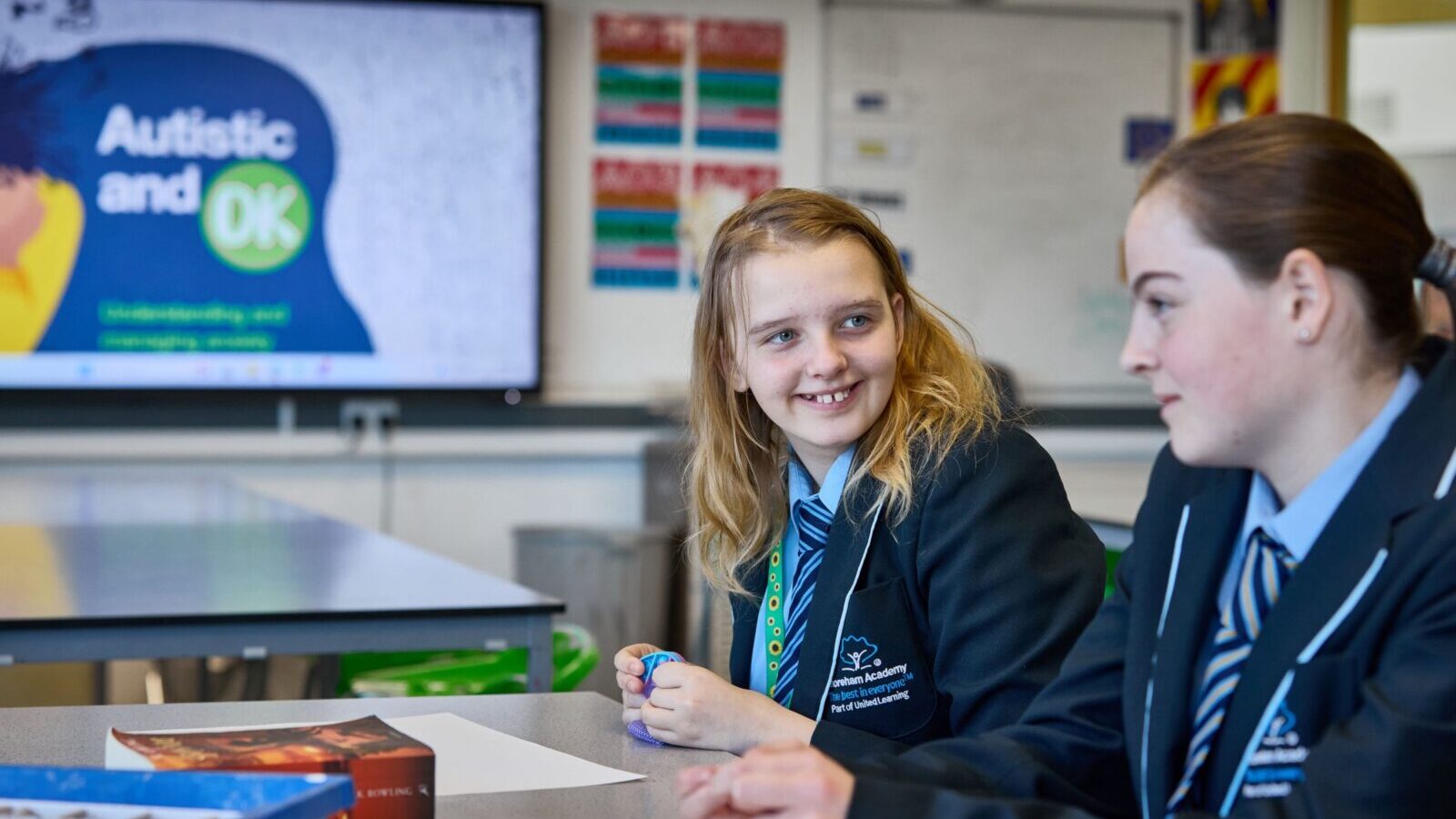
Autistic pupils build leadership and communication skills through delivering the programme to younger peers. Photo: Ambitious About Autism/Shoreham Academy
The mental health of autistic young people is rarely something that young people – autistic or not – are encouraged to understand in mainstream schools.
The Autistic and OK programme from charity Ambitious About Autism seeks to change that. The national mental health programme, launched in 2024, has recently been extended for a further three years.
To date, the resource has been downloaded by 1,000 secondary schools, with Ambitious About Autism estimating that it has potentially reached more than 20,000 autistic young people.
Designed to empower autistic young people, the free educational toolkit aims to help this group improve their mental health and develop a greater understanding of themselves. It also aims to educate their peers.
One in three absent
According to Ambitious About Autism’s research, more than one in three autistic pupils have missed a month or more of school since the start of the academic year in September, with the biggest cause for non-attendance being mental health issues (accounting for one-third of absences). Four out of five autistic young people experience mental health problems, says the charity.
Now, with summer exam season on the horizon – a pressurising environment – the extension of this programme could help more autistic young people take control of their mental health.
The toolkit was designed with the help of a group of autistic youth advisers from the Ambitious Youth Network, an online space for autistic young people.
The resource covers issues such as depression, anxiety and obsessive compulsive disorder as well as bullying, equipping autistic young people with tools and techniques that work best for them to manage their mental health and wellbeing.
The downloadable resources for schools consists of four peer-led sessions. A key feature is that autistic pupils in years 10-13 can act as peer facilitators, delivering the pre-prepared sessions to their younger autistic peers.
Easy-to-follow session plans, slides and handouts tailored to each topic are provided, and the opportunity to be a peer facilitator allows autistic pupils to build leadership and communication skills.
The sessions are meant to become safe spaces where autistic young people can share their experiences, connect with their peers and feel less isolated in their school community.
Daisy (she prefers not to share her surname) is a peer facilitator in year 10, who has used the resource with other young people.
She says: “I think the group has formed some friendships and certainly gained a better understanding of each other.
“They have mentioned many times how nice it has been to be with others who struggle with the same thing, and the importance of knowing people in the school understand autism and experience similar things.”
The toolkit includes a teacher’s guide with instructions on how to deliver the programme. It is designed to be flexible: it can be completed in a single term in weekly sessions or spread out over a longer period throughout the academic year.
Whole school
An assembly session is also included, designed to help the wider school community learn about autism and how to support autistic students while promoting understanding and acceptance.
The extension of Autistic and OK over the next three years, supported by Zurich UK and the Z Zurich Foundation, will see resources added to the programme, again all designed in collaboration with autistic youth advisers.
One aim is to target specific UK regions where take-up has been lower than hoped. There will also be a greater focus on improving school-wide understanding. The new features will take a whole-school approach to autism inclusion, with information for all school staff and pupils, senior leadership, governors and parents.
As Helena Rodgers, Autistic and OK programme manager, says: “To create a truly inclusive school environment in which autistic pupils can learn, thrive and achieve, programmes like this must reach beyond targeted interventions for autistic pupils alone.”
Delayed, inaccurate and ineffective – the national review of deaths of people with learning disabilities is coming under heavy criticism. Saba Salman looks at problems, delays and missed opportunities
Back in 2015, the NHS proudly launched the “world’s first national review of deaths of people with learning disabilities”.
More than a decade and several iterations later, the project’s great promise has been overshadowed by delays and questions over its quality, efficacy and accuracy.
The programme was announced by the NHS following a government-commissioned investigation, the 2013 Confidential Inquiry into Premature Deaths of People with Learning Disabilities, which recommended a national analysis of this kind.
It was presented as an “independent project to help the NHS reduce premature mortality for people with learning disabilities”, supporting health and care professionals “to identify, and take action on, the avoidable contributory factors leading to premature deaths in this population”.
Since then, the reviews have confirmed what experts and families have known for years – that people with learning disabilities die younger than the general population, many deaths are avoidable and this is owing to delays in diagnosis, a lack of reasonable adjustments and poor communication.
The latest report, which records deaths from 2023, was meant to be published in 2024 but its release was delayed until September 2025 because of data problems.
Soon after, the work was abruptly withdrawn over what NHS England described as a “technical issue” – causes of death had been incorrectly submitted.
Amid criticism that the incorrect data meant deaths were underreported, the report was finally re-released in January.
As for its findings, one in four deaths of people with severe or profound and multiple learning disabilities over 2021-23 were from conditions that could have been treated – compared to one in 13 in the general population. The average age of death for a person with a learning disability is 62.5 years, similar to in previous years – the equivalent for the general population is 82.
Critics say it is difficult to have faith in a programme that has been dogged by delays and where the analysis, which aims to drive healthcare improvement, is in question alongside criticism of the quality of some of the reviews.
It looks like less scrutiny is being given to the deaths of people with learning disabilities
A decade on from its launch, the project does not seem to be making much difference to health inequalities.
Professor Chris Hatton, professor of social care at Manchester Metropolitan University and a Community Living columnist, said in September (before the latest report was withdrawn): “There are a few things about the report that I found a bit odd. The first is that the report is listed as a 2024 report [of LeDeR information in 2023], even though it wasn’t made public until September 2025. Listing this as a 2024 report makes invisible the long delay in its publication.”
Hatton also took issue with the report’s foreword which said “due to unforeseen pressures on the NHS, there have been somewhat fewer completed reviews than anticipated, affecting reviews during the latter part of 2023 in particular”.
Such pressures, he said, “were quite foreseeable” and the programme has struggled since inception to get reviews completed.
He said that “late” reviews of 2023 deaths could have been included in the analyses – “or is it that these missing reviews are never going to happen?”
He concluded: “Across the piece, it looks like less attention and less scrutiny are being paid to the deaths of people with learning disabilities.”
The problems have left campaigners and families frustrated, with a combination of delays and questions over data undermining the aim improving services for those who experience enduring health inequalities.
As Learning Disability England put it: “Learning delayed is learning denied… LeDeR isn’t just numbers, it’s about real lives lost and preventable deaths, and every delay feels like another barrier to change.”
People can be treated unfairly for different reasons, alone or in combination. Paul Christian talks about how personal qualities of all kind interact and influence what others think of you
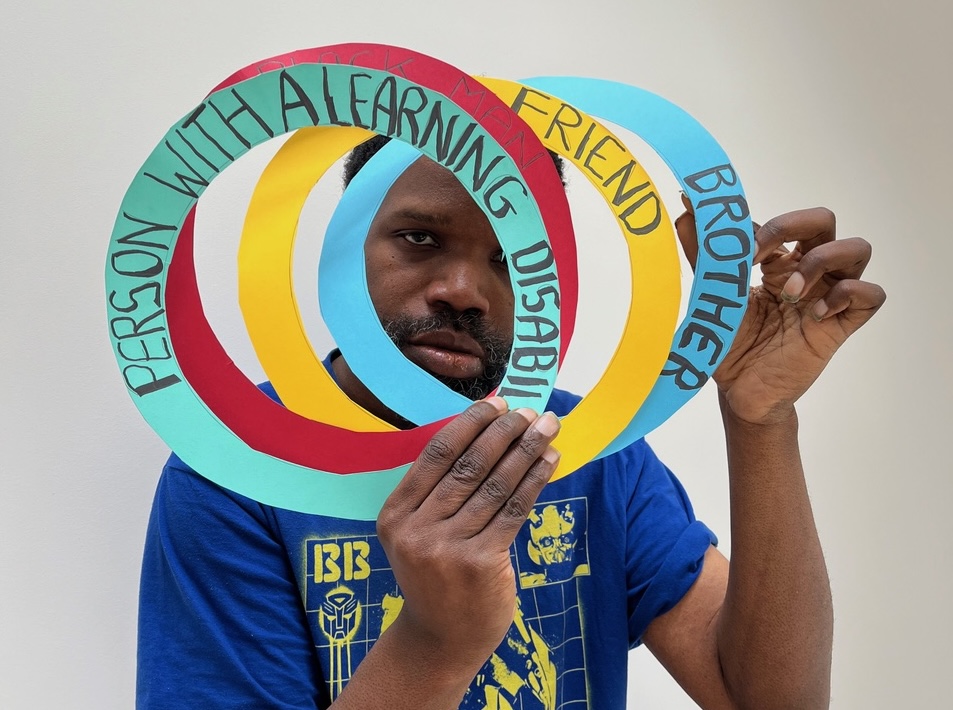
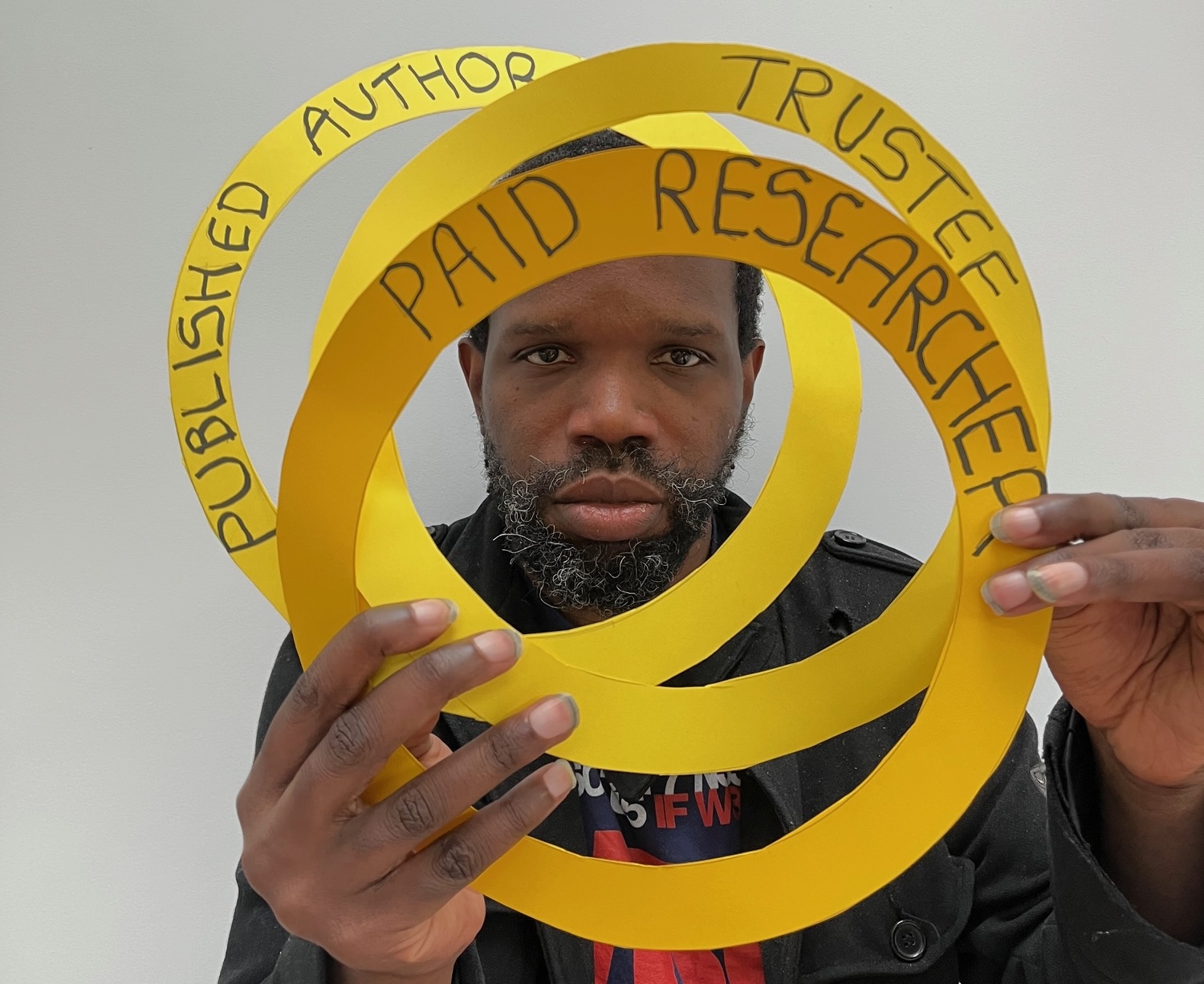
Overlapping hoops illustrate intersectionality, showing characteristics that carry status and those that result in a lack of respect. Photo: Sue Ledger; Saba Salman
I am a black British man born in London. I am proud of my Jamaican heritage. I have lived with the label of learning disability since I was a child. I also have cerebral palsy, which affects my walking, my breathing and my voice.
Since the murder of George Floyd in 2020, I have led a number of projects in support of the Black Lives Matter movement. I do this work with Sue Ledger, my co-researcher and co-writer who is an Open University visiting research fellow. The work is also supported by Liz Tilley and the university’s Social History of Learning Disability Research Group.
This work has included leading a pilot research project to explore the lives of black people with learning disabilities who were admitted to the old institutions and working with the George Padmore Institute, a black history archive, to make parts of their collection accessible to people with learning disabilities (Community Living, A Light on Black History, winter 2023).
I have also worked with the Pan-African learning disability research network at the University of Cape Town to share cross-cultural experiences of people living in the intersection of race and learning disability.
Intersectionality can help spotlight what people have achieved alongside the barriers encountered
My work in support of Black Lives Matter has focused on the experiences of people living their lives in the intersection or crossover of race and learning disability.
Kimberlé Crenshaw, an American activist and law professor, first used the word intersectionality in the 1980s to help people understand how different parts of a person’s identity can affect the way they are treated by other people and systems.
Some people are treated with respect while others are treated differently and unfairly.
Intersectionality draws attention to the fact that someone can be discriminated against because of more than one thing about them. Some people describe this as a double or multiple discrimination.
Hoops highlight expertise and talent. Photo: Sue Ledger; Saba Salman
I found it helpful to think of intersectionality in terms of overlapping hoops.
Sue and I made large cardboard hoops in different colours. For each hoop, I selected a word or phrase by thinking about my own identity or about the lives and achievements of people with learning disabilities who I knew personally or I had heard about.
Some hoops shared parts of my identity that make me feel strong, carry status and are powerful – these sit alongside parts of my identity that I feel often result in me being treated less respectfully.
As a black man with a learning disability, I find myself in the crossover of these two identities. But I also have cerebral palsy. That makes three hoops, all of which could be a potential barrier.
It is so important to listen to the voices of people who live in this intersection if we are to increase understanding of people’s lives and the barriers they can face.
Here is one story that explains why: I was travelling back from a friend’s house at around 9pm. I got on the bus and sat down. I was listening to my music so I didn’t notice that the bus hadn’t moved from the stop. Someone was trying to grab my attention so I took off my headphones. The person suggested that I should get off the bus so the bus could go.
I walked towards the doors and felt like everyone was staring at me. I was confused. I stepped off the bus and two police officers were waiting to meet me.
They said: “We believe you have been smoking weed.” They asked me to turn out my pockets and so
I did as any good law-abiding citizen would. I never take drugs so there was nothing in my pockets. Once they saw that I wasn’t carrying any drugs, they just left without apologising.
The whole episode made me feel upset and humiliated. I asked myself: had this happened because of my learning disability or because I was black? Or both?
This is just one experience that reveals the day-to-day struggles I encounter as a black person with a learning disability. Have things like this happened because of my learning disability or my skin colour – or because I was on the receiving end of two forms of prejudice? It could be three, if I include having cerebral palsy.
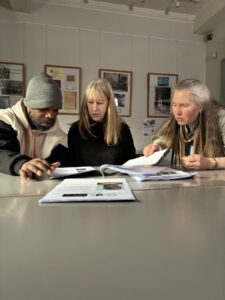
The research team: Paul Christian with fellow researcher Sue Ledger and Sarah Garrod, archivist at the George Padmore Institute. Photo: Sue Ledger; Saba Salman
Intersectionality and making the hoops helped me explore multiple strengths too. Crucially, the hoops I made contained many positive words. I chose these words as they evoked what people I knew or had heard about had achieved, spotlighting all the strengths, expertise and talent people with learning disabilities bring.
These stories are often hidden, eclipsed by how society sees us as less than or “different or in terms of what we can’t do – a deficit model of learning disability. And, in the case of black people with learning disabilities, there is often a dual deficit or lack of status that results in a double discrimination.
I am a friend, a son, a brother. Professionally, I am a paid researcher, a published author and a deputy co-chair of theatre company Access All Areas.
There are many other people with learning disabilities from minoritised communities employed in positions of responsibility. Yet, in the media, we rarely see people with learning disabilities given status as leaders or experts.
The idea of intersectionality can also help spotlight what people have achieved and the multiple contributions they make alongside the discrimination and barriers encountered.
That leads on to a big question. This is how to shift society to look through a different kind of intersectional lens – one that respects the multiple capabilities and lived experiences we bring instead of routinely responding to what people all too often see as our combined deficits.
Paul Christian co-wrote this article with Sue Ledger
Sharing work to combat dual prejudice is vital
Paul Christian, Sue Ledger and George Padmore Institute archivist Sarah Garrod are among the experts who share their experiences and perception-shifting work in my forthcoming book, Double Discrimination, writes Saba Salman.
As Christian’s words reflect, while white privilege, unconscious bias and institutional discrimination gained a high profile, learning disabled people of colour are excluded from such debates. We need to consider the combined impact of racism and ableism.
My sister Raana, for example, is not the sort of person most people think of when they hear the word disability. Her learning disability is also something of a taboo in South Asian communities.
Strange though it may sound, it was not until the covid pandemic that I really focused on Raana’s dual identity as a learning disabled person of colour and what that meant for her opportunities and treatment in life.
For two years from 2020, during covid and the lockdowns, I reported on how the pandemic exacerbated the inequalities already experienced by learning disabled people and their families – and how black, Asian and racially minoritised communities were at the greatest risk of death and illness.
Until then, I’d focused on Raana’s support needs through the lens of disability because arguing for help has always been related to her disability.
Christian and Ledger are among the many individuals leading the fight against racism and ableism, challenging limiting systems and perceptions.
Sharing their work and that of others fighting the same prejudices is vital.
Double Discrimination will be published in May 2026 by Jessica Kingsley Publishers, Community Living readers benefit from a 20% discount when pre-ordering direct from the publisher’s website with code %DOUBLE20
A discovery of photos of institution residents from the 1860s inspired their recreation in modern times, using Victorian photographic techniques. Simon Jarrett finds affinity between past and present
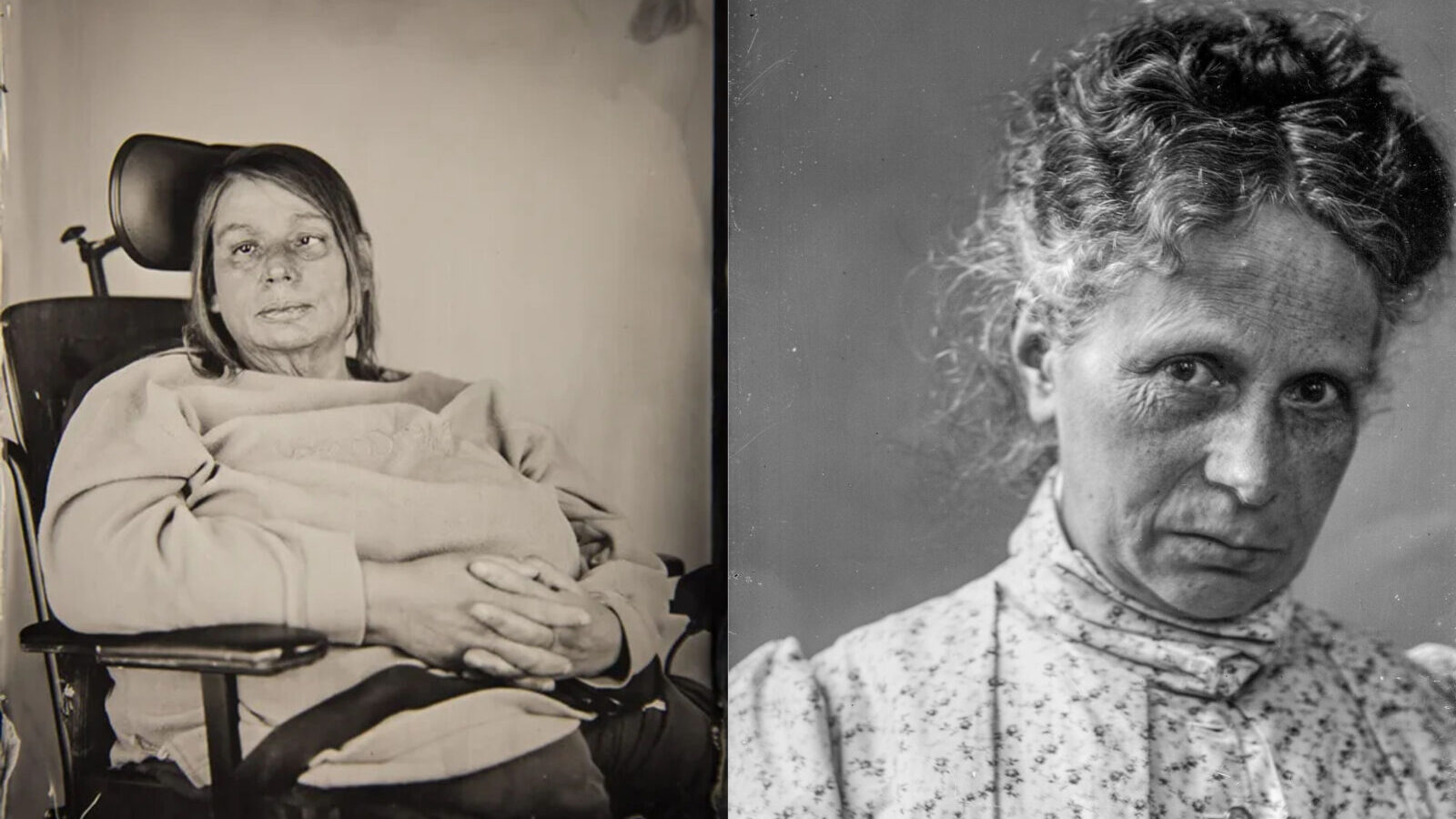
Rachel chose to be paired with Susan Burton, who was described as ‘noisy, garrulous and quarrelsome’. Photo: Emma Brown; Surrey History Centre
Twenty-five years ago, Professor O Conor Ward, biographer of John Langdon Down, the man credited with the “discovery” of what is now known as Down syndrome, made an intriguing discovery himself.
Beneath a desk in an office at Normansfield Hospital in London, one of Down’s former hospitals, was a box containing glass slides of 200 photographs, all taken in the 1860s.
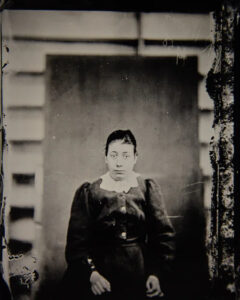
These were forgotten photos of patients at the Earlswood Idiot Asylum, as it was known, in Redhill, Surrey. Excitingly, there was evidence that the photographs were taken by Down himself.
Conor Ward immediately called to Julian Pooley, archivist at the Surrey History Centre. Pooley, recognising the potential historical significance of the find, beetled over to Normansfield to rescue the box.
He had to be fast – Normansfield was being demolished and, within a matter of days, the slides could have been lost forever.
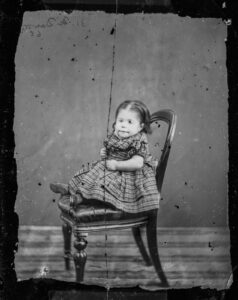
This Indiana Jones-type rescue yielded astonishing results: almost 200 slides of superb clarity, in which people with learning disabilities from more than 160 years ago posed for portraits.
Most of them were finely dressed, sometimes holding an object significant to them, many looking confidently at they sat or stood, waiting patiently while the long exposure time needed for Victorian photography elapsed. Each was named so traceable through Earlswood records.
Surrey History Centre has digitised all the slides to a stunning level of clarity, and attached a name to each.
Alice Scott, who is known for her sense of style, chose to be paired with Rose Harris
Rose Harris. Although Harris’s records have been lost, it is known that her “husband” visited her 23 times in the 2 years she was in the hospital
Sam Kelan, showing her MedicAlert bracelet, chose to be paired with Mabel Florence Dawson
Mabel Florence Dawson, who was admitted to the Institution at the age of 2½ and discharged age of six
Sonas Musana, who wore all of his hats – they are all his favourites – chose to be paired with music hall performer Byron Pedley.
Byron Pedley
Pete, who felt as if he was able-bodied in his portrait as he is not in his wheelchair, chose to be paired with Frederick Tarrant
Frederick Tarrant spent 15 years from the age of 36 at various asylums for ‘chronic mania’.
And so it was that I found myself spending a day at the centre to witness the groundbreaking work of the Us and Them Project inspired by and engaging with these and other asylum photographs from the period.
The project is led by Freewheelers Theatre, a Surrey-based company of creatives with disabilities.
The Freewheelers actors teamed up with the Surrey History Centre, King’s College London historians, media company On The Record and photographer Emma Brown to recreate the images produced by Down from a modern, very personal perspective.
Freewheelers members chose a portrait with which they might feel some sort of affinity or connection, and posed to recreate the image using the same photographic techniques.
Brown is an expert in the Victorian tintype technique, as used by Down, which creates a photographic image on a thin sheet of coated glass or metal.
I watched as each person, having chosen their pair from the collection, got themselves into character, prepared their props and clothing then sat for the eight-second exposure this form of photography requires.
Any movement blurs the photography, so stillness is important, something which Brown says brings a contrast to our current hectic methods. After each photo has been taken, we watch the complex process of development. Slowly, fascinatingly, the image starts to appear. The whole process takes about 10–15 minutes.
The beauty of this technique is that the sitter is intimately involved in image creation, from choice of clothing, props, pose and expression through to witnessing the emergence of the photograph itself.
It feels that the bonds between present-day sitters and their chosen counterparts from 165 years ago are close – the relationships have both depth and emotion.
I’d like to hope the Earlswood sitters were also able to watch in the same way as their image magically emerged.
It is clear, by their immersion in the process, that the Freewheelers group feel an empathy and affinity with these Earlswood residents that evaporates the time difference of a century and a half between them.
Having a severely autistic brother has taught me resilience and a great deal of empathy, says Eve Attwood, who describes the unpredicatibility and honesty of family life
John has learnt how to express his emotions with age. Photo: Attwood family
I am two years older than my brother John and, perhaps for that reason, I have always been very protective of him.
No matter his age, I would have protected him because I have always been aware that John’s autism means he will always need additional care. That is not me trying to undermine his abilities; it is me being realistic about the level of support he needs.
The average family might have their ups and downs with issues such as arguments or money struggles, but most people will never be able to understand what it is like to live in a perpetual state of unpredictability, not knowing when your severely autistic brother will next have a meltdown – one that can end in tears, smashed plates or screaming.
Most families will never understand how much of a privilege it is to be able to go out for a birthday dinner and have their whole family present the entire time.
Many families will also never understand the anxiety before having people over to your home when you’re worrying if it might set off your brother and cause him to become agitated.
Most people will never understand what it’s like to bring a new friend or partner round to your house and introduce them to your brother, hoping that they will be kind or understanding enough to not make nasty comments.
All this said, John has learnt valuable life skills through his amazing carers who support him a couple of days each week. He has many of his own hobbies. He loves Pokemon, dancing, singing and watching YouTube. He is bubbly and kind and, while he can’t have complex conversations, he has learnt more how to express his emotions the older he’s become.
Anyone who is a sibling of someone severely autistic or who has other additional needs will know it forces you to grow up prematurely.
Grown up early
People always said to me as a child that I acted and spoke more maturely than my age. I’ve often been labelled as the “mum” of friend groups or the responsible one. I don’t think this is a coincidence. A lot of this must comes from the fact that I had to be responsible and think of others before myself for as long as I can remember.
People should know that when they choose to be unkind to those who are severely autistic, such as using the “r” slur or making fun of how autistic people talk, stim or behave, they’re offending not just the person but also their families.
Because, for every severely autistic person, there is a family who loves and cares for them, who knows their true personality – the personality they only really share behind closed doors.
My family has a closeness that goes beyond love. That shared experience and that ability to smile and laugh after days that have been tumultuous, traumatic or emotionally exhausting take a huge amount of strength – a strength that goes unseen by most people. We don’t have to pretend around each other. We don’t have to put on an act that we’re always doing fine, that we’re not finding things difficult.
Being my brother’s older sister has taught me resilience and a great deal of empathy. There are times, especially at school, where I was shocked at how unkind people could be. Even now, as an adult, I often see how, in groups, people can talk down about others or judge them so easily. In groups or online, people seem to think it is OK and that their words carry no real consequences.
Perhaps I haven’t had a conventional upbringing and might never have my whole family present for a family meal together, but I would not trade it. I would not have anyone else as my brother.
Eve Attwood works in communications and writes creatively
Research to find out what social issues affect health sheds light on the importance of belonging and on the human, physical and virtual circumstances that make this happen
Photo: NIHR
I’ve previously written in Community Living about how people with learning disabilities are routinely shut out of research and rarely decide what research should be done.
The good news is that there are more projects around the UK where people with learning disabilities are central in deciding what gets researched and also doing the research.
In this column, I want to talk about one project I have been part of to share what we’re doing and how we’ve worked together.
My research colleagues and I got funding from the National Institute of Health and Care Research to start a Learning Disabilities Knowledge Partnership. Researchers with and without learning disabilities from four community organisations and five universities worked together.
Belonging wasn’t just about being out with others – it could be in online communities, in welcoming places, at home, with pets and in nature
Big questions
Our job was to come up with the most important questions for research into the social determinants of health. These are the things that matter for people’s health which are not about health services or medicines.
We spent time getting to know each other, finding out about the social determinants of health, and producing a plan of action.
We asked groups of people with learning disabilities around the country what was important for their health, then together we decided what the most important issues for research might be.
Three issues came up a lot as being important for people’s health: belonging; feeling safe; and the neighbourhoods where people lived.
We looked at what research had already been done about belonging, feeling safe and neighbourhoods, and we decided to work on a project about belonging.
Existing research on belonging had largely ignored how different groups of people with learning disabilities experience belonging. We decided we wanted to learn more about this.
We focused on LGBTQ+ people, women and people from minority ethnic communities.
We decided we wanted to do the research by holding focus groups and spending time with people in places where they felt they belonged.
It took 12 months of hard work for us to get to this point, and we managed to get more funding to carry out the research over the next 18 months.
We’ve listened to over 40 people around the country, and we’re nearly at the end of the project. We are still analysing the information together, but some main themes have arisen which we’re thinking about.
First, everyone said that a feeling of belonging was important for their mental health and that being in better health helped people seek places and people where they belong.
Online, off line
Belonging wasn’t just about being out of the house with other people – it could be in online communities, in places that were welcoming, at home, and with pets and in nature.
Technology helped people stay connected and feel as if they belonged.
Where and how people felt a sense of belonging depended a lot on aspects of their identities. Sometimes people had to manage how they shared various aspects of their identities with different groups of people.
Ableism, sexism and racism are barriers to belonging. People’s past experiences of discrimination had an impact on how they felt about new places and people.
Advocacy groups were important spaces for belonging.
Many people said they needed support to help them get involved with the people and places that gave them a sense of belonging. This support, whether from friends, family or support workers, could really help or could be an active barrier.
We’ll be sharing the findings of this project in all sorts of places soon – including in Community Living – watch this space.
Disabled children and adults experience significant barriers to play but creative ways can be found to join in and connect. Saba Salman finds out about the rebellious side of fun
People enjoyed mocktails alongside play experiences created by
disabled artists. Photo: James Lyndsay
Playgrounds are often the first place disabled children expect to have a worse experience than others. Saba Salman talks to Jess Thom, co-artistic director of Touretteshero, about making connections and a day of rebellious, inclusive fun.
Saba Salman: What’s the aim of Touretteshero?
Jess Thom: Touretteshero is a disabled-led arts organisation. Using Tourette’s syndrome as a catalyst, our mission is to create an inclusive and socially just world for disabled and non-disabled people through our cultural practice.
We’re interested in connecting people with ideas and with each other in engaging ways. We make art, do disabled-led research and run a solidarity programme – solidarity is the word we use to describe the work we do supporting other disabled people.
SS: What was the aim of the Return of the Rebels project?
JT: Return of the Rebels was a day of free, rebellious and inclusive fun for all ages at the Whitechapel Gallery in London.
The event showcased new play experiences created by disabled artists: Christopher Samuel, Max Alexander, Mirabelle Haddon, Oona and Chris Dooks and BLINK Dance Theatre.
It was part of Rebel Play – a research project of ours that celebrates the positive play experiences of disabled children and adults.
Over the past two years, we’ve been collecting disabled people’s positive play memories, times they’ve played in joyful ways. These memories form our How We Play archive, and we’ve been commissioning disabled artists to make new play activities in response.
Rebel Play draws attention to the many barriers to play disabled people still experience.
SS: Why call it Return of the Rebels?
JT: For many disabled children, playgrounds are the first place they learn to expect a worse experience than their non-disabled peers.
As a disabled person who’s worked in inclusive adventure play for many years, I know that play finds a way and we wanted to explore this – celebrating disabled people’s right to joy, leisure and community.
We launched Rebel Play in November 2024 with Rise of the Rebels at Oasis, an inclusive adventure playground in south London. We encouraged disabled children and young people to rise up in rebellious and creative ways.
SS: How did the Return of the Rebels event go?
JT: We had 132 children and adults taking part in Return of the Rebels, including 12 disabled artists and six volunteers.
One participant was Mercy, a sociable, non-speaking, wheelchair-using 12-year-old. Mercy had a great time moving herself around the space.
Her mum and sister kept a watchful eye, but she experienced a freedom that’s harder for her to have in less accessible environments. Mercy tried the entire mocktails in Oonatini’s Bar, making choices and communicating with new people.
She loved watching BLINK Dance Theatre’s roller-coaster inspired movement experience, complete with wristbands, chirpy music and fast corners.
Mercy was at the centre of the action all afternoon, joyfully seeking out and making connections with other children, artists and volunteers.
SS: How timely is this sort of project?
JT: Disabled children and adults experience significant barriers to play, but we also find creative ways to play throughout our lives.
We want to share our collected experiences with the world. At a time when disabled people and our families are under pressure, it’s vital to connect, share joy and take up space together.
SS: What’s next for Touretteshero?
JT: We’ll continue building our How We Play archive this year and find ways to share it in creative and accessible ways.
We’ll commission more disabled artists to design play activities and host our final Rebel Play event.
Later this year, I’ll be heading to Washington DC with our director of research, Dr Will Renel, to present a paper at the Library of Congress about disabled children and young people’s experiences of play during the covid pandemic.
News programmes should be clear not just to let people know what is happening in the world – this is central to democracy and informing campaigns, says William Kremer
Podcasting by People First Keighley and Craven. Photo: People First Keighley and Craven; William Kremer/BBC
Maybe it comes to all parents: a moment when you realise that your child has changed the way you think about the world.
You suddenly have strong opinions about things you never thought about before. Your work takes a different focus. You become an ally, a campaigner even. You change.
This is how it was for me.
After my daughter Katy, now 11, was born with a rare disorder that caused a learning disability, I had the pleasure of getting to know a vibrant community of disabled and neurodivergent people. They shifted my gaze.
I began to question how well my profession – broadcast journalists – were serving this community. Of course, people with a learning disability do feature in the news – often related to a stories of abuse or neglect – but was anyone creating news that was aimed at them as an audience?
When I started looking into the issues, I found UK non-profit organisation United Response creates easy-read news once a week, and charities such as Mencap create resources around big events and stories such as elections.
Such initiatives are to be applauded but cannot be described as mainstream news services.
Indeed, when news broadcasters do cover learning disabilities – for example in investigations – they do not make accessible versions of their reports available.
So much for “nothing about us without us”.
Looking deeper, I found that the BBC had undertaken thorough research into the media consumption of people with learning disabilities in 2005.
The report, Not Seen, Not Heard, found that this community struggled to understand the news, with one in three respondents saying it went too quickly and almost half saying it featured difficult language.
News reporters assumed too much background knowledge, and people with a learning disability found the news overwhelming and upsetting.
The report recommended the BBC consider making an accessible news programme. But this did not happen, and the need is still there – as I have discovered in my own research.
In an audience panel I helped convene last year for the BBC, all six participants were interested in the news but found regular TV broadcasts difficult to follow.
As one said simply: “Sometimes I wish the reporters could speak slowly so there is time to understand what is happening.”
This panel also agreed that the news was upsetting. Another participant said: “A lot of news seems like it’s made to distress people, made to make people scared. And it’s not fair for some people – especially for people with a learning disability.”
People with learning disabilities are not alone in finding the news overwhelming. But incomplete understanding of reports and a lack of background knowledge make it worse for them.
For example, a report about a fire is more frightening if you don’t understand where the fire is or how rare such occurrences are.
Sometimes people with learning disabilities are prevented from watching the news by their carers because it upsets them. On the other hand, carers can help explain events or unpack news reports. Either way, people’s access to news is mediated by others.
As one person with a learning disability put it to me last year: “Sometimes, I have to ask my dad what’s going on and then I get my dad’s opinions.”
All of this is clearly a problem. Access to impartial and accurate news is a vital part of living in a democracy. People with a learning disability have the right to vote, but what use is that if they don’t have access to information about key social issues?
Sonja Wielow, producer at the Tagesschau news programme. Photo: William Kremer/BBC
Essential for advocacy
This is not an issue just at election time. People need information in order to discuss issues, campaign and make things better.
I have come to believe that the lack of accessible news might be holding back the UK’s self-advocacy movement.
So what of the solutions? People with a learning disability need their own bespoke news service. The good news is that this is already happening around the world, and there are great models the UK can learn from.
Last year, I completed my fellowship at the Reuters Institute, funded by the BBC. I looked closely at different approaches to accessible news and asked people with a learning disability what they wanted from broadcasters.
Accessible or easy-to-understand news falls into two broad categories.
The first category emphasises accessibility. Across Europe, many public service broadcasters create versions of their news bulletins that are slower and much easier to understand.
These easy bulletins are not only for people with learning disabilities but also for people with other cognitive impairments such as dementia, as well as those learning the language.
The second category of approach emphasises representation. These news providers, some of which are non-governmental organisations or charities, take the audience’s needs as their starting point.
They run features about issues that are of importance to the community, and the news is presented and sometimes produced by people with a learning disability.
In discussions with people with learning disabilities, I found they valued both aspects of inclusion – accessibility and representation – equally.
Then they said they wanted news to do more than just tell them what was happening in the world. They wanted it to give them information that could help them in their day-to-day lives and keep them safe.
With the BBC’s charter up for negotiation, this is a good moment for the learning disability community to demand more from their news providers.
In Germany and Austria, public broadcasters must produce accessible news by law.
So will my own daughter, Katy, one day access news she can understand? I don’t know but I doubt it. As far as I know, Katy, who is non-verbal with profound and multiple learning disabilities, has no concept of news or current affairs.
For everyone?
In short, even if we make the news as easy as we can, I think there will always be some people who will not understand it.
Nevertheless, I believe news made by and for people with a learning disability will improve the world for Katy and people like her. And I think that anyone who wants to understand what’s happening in the world could and should have access to news they can understand. Let’s make this happen.
William Kremer is a BBC radio producer and 2025 fellow of the Reuters Institute for the Study of Journalism
Broadcasts and podcasts make the news clear
News programmes broadcast in different countries are being run by and for people with learning disabilities.
Tagesschau
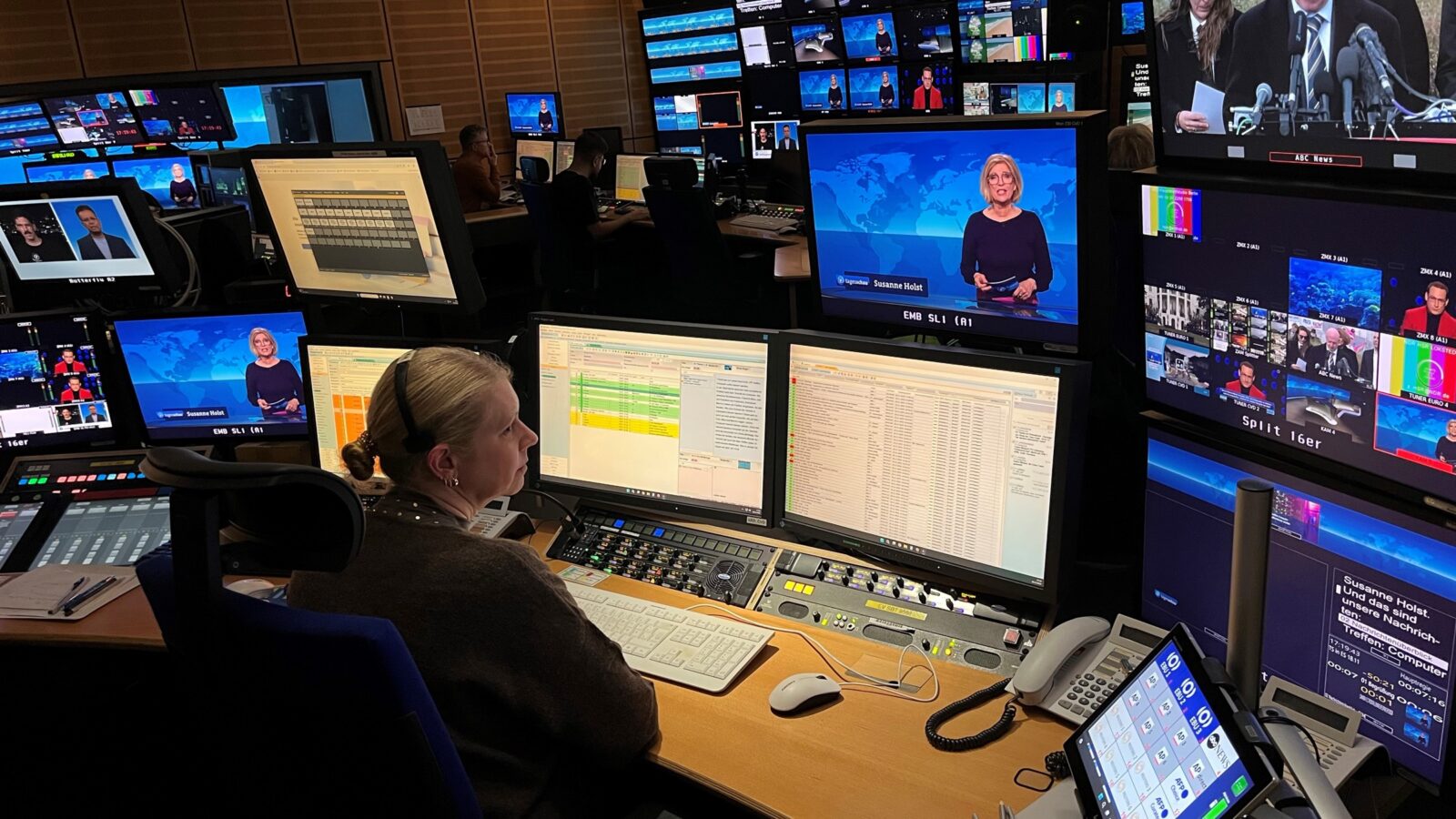
Tagesschau (News) is a highly regarded German national news bulletin.
In 2024, it started to make a slower, easier version of the show, with the same presenters and studio as the regular version. It is made by broadcaster ARD.
TV BRA
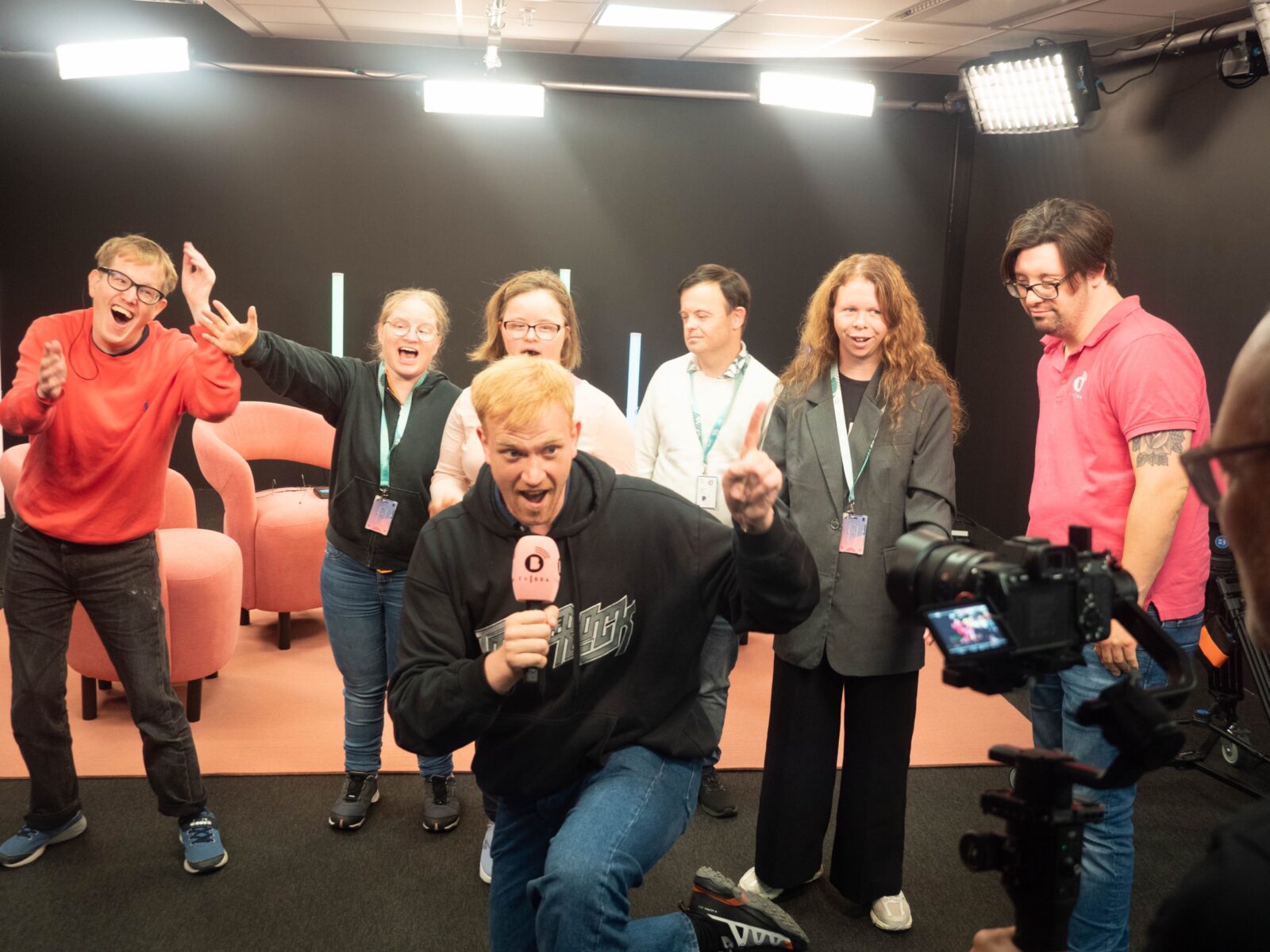
TV BRA (TV Good) is a TV station in Norway where all the reporters have learning disabilities or are autistic (pictured).
They regularly interview politicians and campaign on issues. TV BRA is an non-governmental organisation.
People First Keighley and Craven
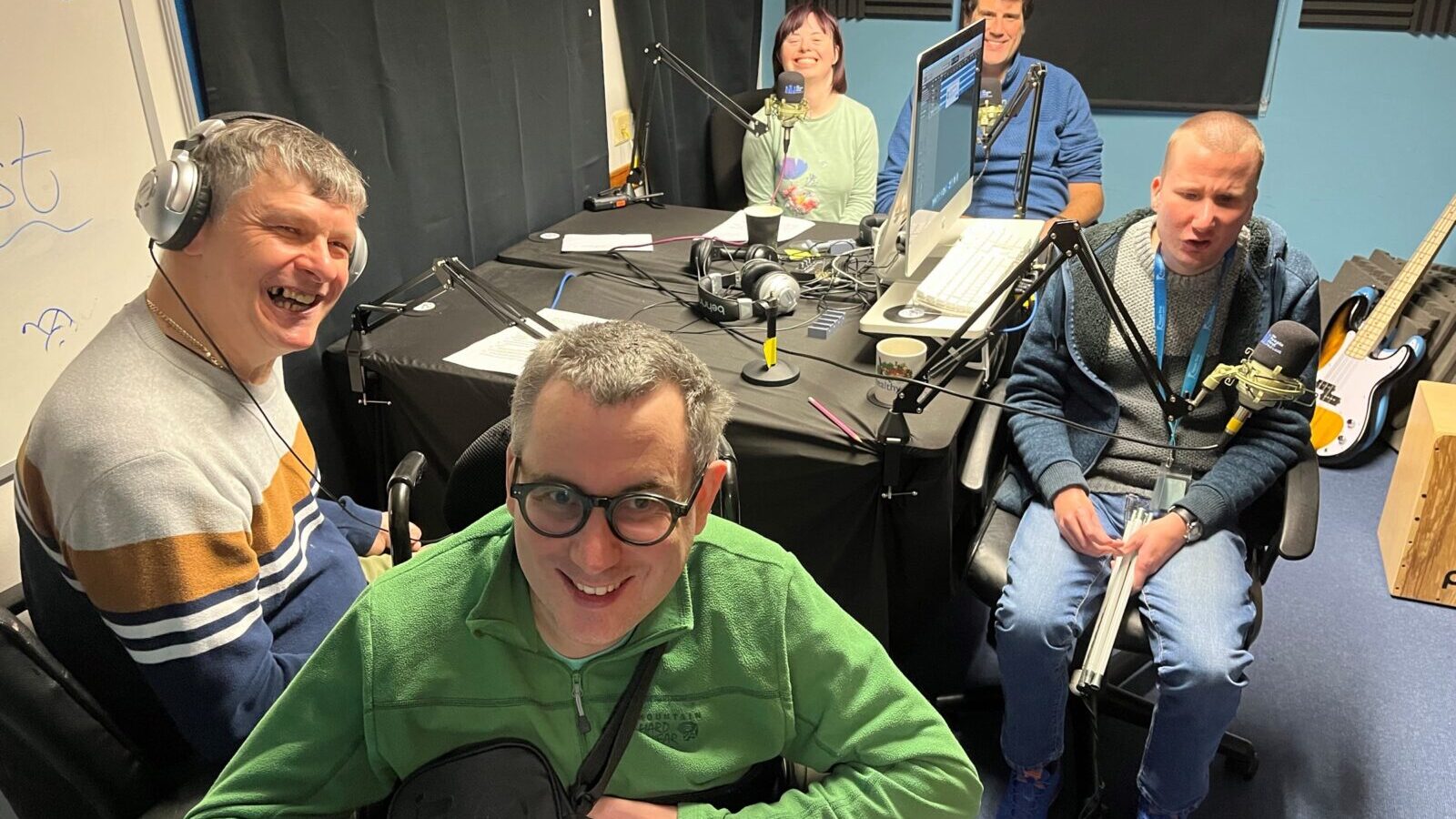
People First Keighley and Craven creates a weekly podcast in Yorkshire (Podcast provides a platform for us, Community Living, autumn 2022).The programme is entirely produced, presented and edited by people with a learning disability. As a day centre, they are funded by day fees and grants.
He thinks it will be hard for me to write a book, and it probably will be. He does not want me to get hurt, which is why he says these things.
I don’t know what these things – “intellectually disabled, ADHD, and autistic” – are, but I will look them up in a dictionary. I just learned how to use a dictionary. Sometimes. I was around 13 when I learned. I just learned how to read. Sometimes. I’m a little better now that l am older.
This is the first school I have been to where the teachers like me. So when I say to Ms Priscilla, “l want to write a book,” she says, “That’s a wonderful idea”. She doesn’t laugh like some of my other teachers have.
People call me weird. I don’t think it is a good word.
“Let’s go in the ocean,” my sister Susie squealed.
Although I loved the ocean and learned to swim when was four, I told them I wanted to watch the water. “You both go in.”
“Ahh!” Mama shouted, but she was laughing, too, and so was Susie. So loud.
I had brought my just-in-case notebook, where I kept all my feelings. I forgot to tell you about my just-in-case notebook, and my pen, to write about my angry feelings – and my happy feelings, too. This has been good since now that I am older and am writing
my novel, l have all the stories I want to tell.
In my just-in-case notebook, I wrote a letter to the ocean.
Dear Ocean,
I can’t find your beginning, middle, or end. You are huge. You might be lonely like I am since there is so much of you. Except sand. Except sky.
I give you my secrets. Mama and Papa are getting divorced. Although Mama has explained to me what this means, I forgot to tell her I still don’t really understand. They always said this was going to happen, but it never did, only this time it is for real.
Maybe this time, our house will be quiet, like you. But you are not so quiet.
You make beautiful music when your waves go up, then down, and I can listen to this music all day, every day. I wish I could come here every day instead of going to school. You let me sit here as long as I want, and I don’t pace like I do everywhere else. So maybe you are my friend. Yes, you are my friend.
Oh, I forgot to tell you. I am sad there will only be three of us now. I just want everyone to be happy. I miss your music. It makes me happy.
Now that I have started a new high school and also started my novel. I think I am the ocean with no beginning, middle or end. Such is my story.
Oh, I forgot to tell you. Months later, my parents were divorced. It was March. Susie and I saw Papa every week. I missed him. Even though he may love me, he didn’t like me so much.
And he never thought I could write this novel, but I am.
Before deciding who to vote for, there are a few questions you should ask yourself. And support is there if you need help to make your mind up or are not sure how to cast a vote
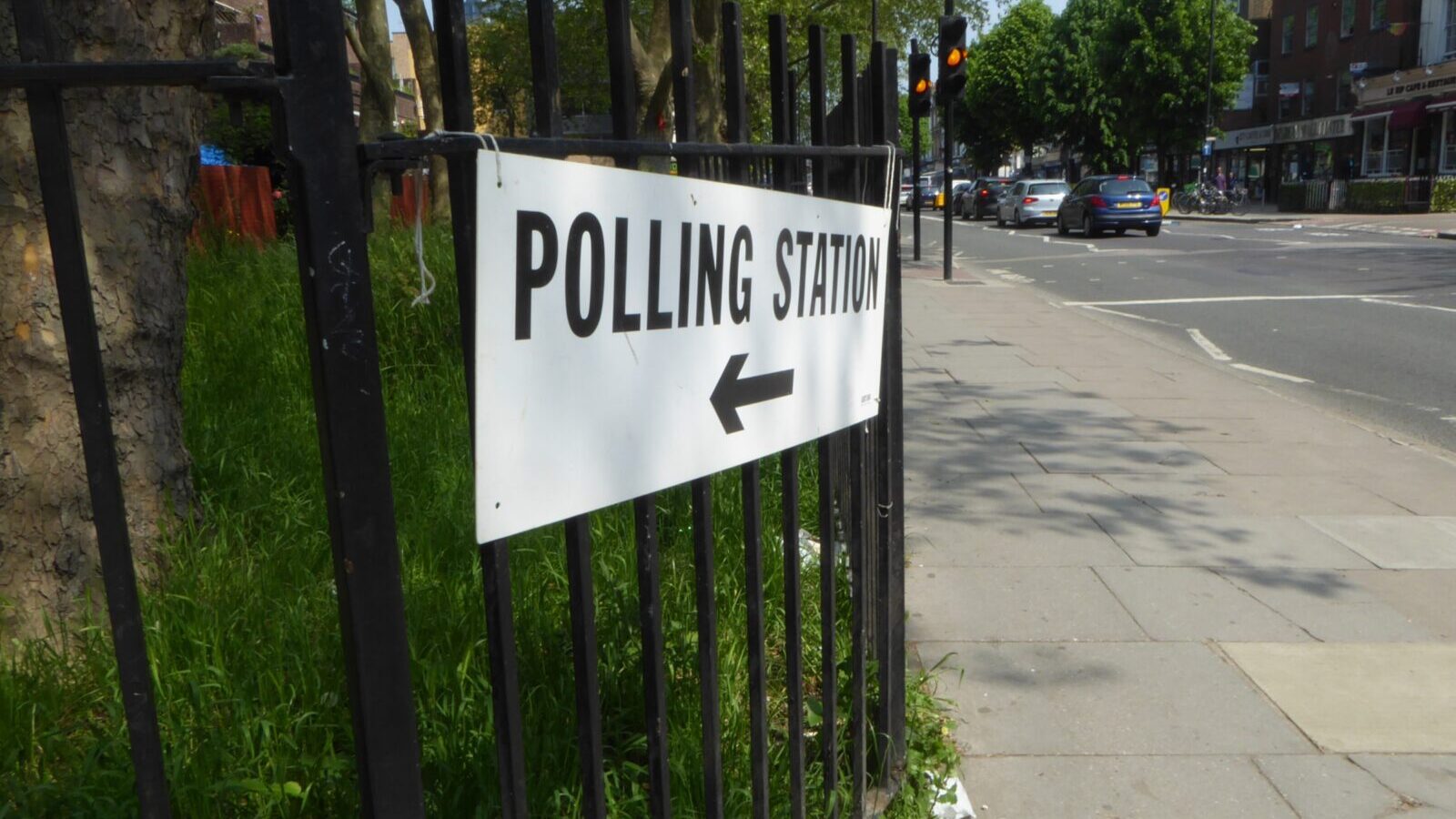
Polling daze: what happens if a support worker does not support your candidate? Photo: Christy Lawrance
Local elections are coming in some areas in May and people may need help from a support worker to vote.
This got me thinking about what happens if the person supporting you to vote has a different opinion about who to vote for, so it’s important to ensure there is no influence.
It is important to use your vote. We have the right to vote but is that going to be enough? A candidate might not want to make a difference for you in society but, for me, that’s what a politician’s job is.
I thought it was interesting that when Rishi Sunak was the Conservative prime minister, we suddenly had an Asian person in Downing Street. But did it change the culture of politics from a diversity point of view? No.
If you are in two minds about voting, I would ask yourself the questions “Where do I see myself in five years time?” and “What do I want to change in society?” or “How do I want the UK to be?”
It is about using your right to protest and having your voice heard – although, of course, the politicians do not always listen.
Politicians do not think learning disability is an important issue. It is all about power, money and greed. But, if you are a politician, you should want to improve people’s lives and the places they live in so you should be listening.
It is harder for some people to vote because they may not have information about how to vote or what the politicians’ policies are. That is what I mean about some people needing support to vote.
If you’re someone with a learning disability, you have the right to get that support and need to make sure it is put in place so you can cast your vote. You can also find out about political parties if you watch the news.
Schools should be aware of this and teach children about how the government or councils work. When I was at school, they did not tell us about MPs or local councillors.
Politicians need to make more of an effort to reach voters who have a learning disability. But I also think that voters who have a learning disability need to find out more about politics and how to vote.
My birthday wish
I recently had a landmark birthday. It made me think about my achievements and one is being an uncle to my nieces and nephews. I have four nieces and two nephews; they sometimes call me Uncle Shal.
We had a small gathering for my birthday and I loved every moment of being with my family. I feel that, after seeing them, my day will go more smoothly.
I have a self-belief that my family gave me and the confidence that they will always love me. It has made me have ambition and to aspire to do more.
Voting is about using your right to protest and having your voice heard – although, of course, the politicians do not always listen
For the next year, I want to develop my knowledge with my research work, expand my social networking and carry on breaking stereotypes of disabled people being some of underclass.
Three things I’ve loved so far this year
One thing I watched
I watched the animated Disney film Beauty and the Beast. It made me think of my childhood. It was so entertaining and I love the songs.
One thing I listened to
Pop music is one of my favourite genres and I’ve been listening to Michael Jackson song Heal the World. The song from 1990s makes me feel there’s hope in the world.
One thing I’m doing next
I’m going to the Reggae Land festival in Milton Keynes this summer. I’m going with my friends – my festival crew.
I can’t wait to see all the artists, have a dance, enjoy myself and just have fun – that’s what life is all about.
Nnena Kalu’s winning the Turner prize is the culmination of a significant year for disability representation in culture and creativity, and this should shift public perceptions, says Saba Salman
Nnena Kalu is the first person with a learning disability to win the Turner prize; creativity enables influence and participation in society. Photo: Seán Kelly/www.seankellyphotos.com
“Idol, legend, winner, whatever,” were the words on the rosette worn by multimedia artist Nnena Kalu as she accepted the Turner prize at Bradford’s Cartwright Hall Art Gallery in December.
Charlotte Hollinshead, head of artist development at charity ActionSpace, which featured in Community Living recently (Artists in Their Own Right, winter 2025), described the win as “seismic” and a “major, major moment for a lot of people”.
This was no hyperbole. London-based Kalu, who communicates without words, is the first person with a learning disability to win the prize.
Although she is well established in inclusive or so-called “outsider art” circles, her achievement made history, shattering a glass ceiling and propelling her into the mainstream.
A seismic year
My youngest sister Raana has a learning disability and I am among those who felt Kalu’s “seismic” win is the culmination of a significant year for disability representation in arts and culture.
BBC’s Strictly Come Dancing starred a dancer with Down syndrome (Ellie Goldstein). Critically acclaimed BBC drama Sherwood featured a complex character with a learning disability (played by actor Bethany Asher). ITV broadcast its celebrity interview series, The Assembly, again covered by Community Living (Nothing off the Table, summer 2025).
However, if this relative explosion of diversity and inclusion in the mainstream is a tipping point, it should prompt us to acknowledge people’s less recognisable but equally important creative achievements.
Days before Kalu’s win, I was at the winter festival run by my sister’s supported living provider in Hampshire. The event reflected what people can achieve, when supported well, through music, dance and making.
Raana’s collaborative seasonal collages, for example, showed her eye for colour and she is proud of sparking joy with her trademark stripy, lozenge-shaped animals on wheels.
While her artistic creations are not award worthy, creative outlets enable her to express herself and feel valued.
Raana’s everyday success influenced my first book, Made Possible, which highlights her ordinary achievements (such as shopping more independently) alongside more obvious successes of disabled high achievers.
The everyday people and projects shifting perceptions include the creative Sammy’s Foundation in Kent (A Legacy of Precise, Practical Skills, winter 2025). Rights-based group Changing Our Lives’ exhibition in Birmingham, Front and Centre (Made Visible Through Portraits, summer 2025), featured photos of people with profound and multiple learning disabilities.
This kind of representation is all the more important given that the Labour government is chipping away at welfare and normalising polarising narratives about those needing support.
Such narratives portray people as feckless burdens on society; similar sentiments drive Reform UK’s special educational needs and disabilities overdiagnosis mantra.
Ripple effect
Highlighting people’s potential for creativity leads to a ripple effect.
I recently met young pianist Chapman Shum, who is autistic, has a learning disability and was born blind. The London-based teenager appeared on Channel 4’s The Piano last year.
“Creativity and music in particular is vital to Chapman expressing himself and finding joy in life,” his father Chun told me.
“We share Chapman’s talent and talk about his disability so more people who may have similar support needs might feel empowered to speak up or, just by seeing someone similar, be more visible.”
Creativity of all sorts, from my sister’s wheeled animals to Kalu’s breathtaking creations, enables people to participate while also shifting perceptions. It can also encourage more nuanced explorations about who can contribute to and be involved in society – necessary at a time of division and support cuts.
Amid the stunning visuals of Kalu’s work in the press and social media after her win, the close-up of the artist’s rosette caught my eye, with optimism in the choice of labels “Idol, legend, winner, whatever”. The phrase helps reflect how categories imposed by others are less important than the human at the heart of it all.
A longer version of this article first appeared in Byline Times
Horror, nature and poetry were new themes at this year’s Oska Bright film festival. The event should inspire us all, says Kirsty Pentecost
The Birth of A Mall Goth (Samantha Locock, UK). All photos: courtesy of Oska Bright Film Festival
The Oska Bright Film Festival featured even more films and in better quality this year. We had three brand new strands – horror, nature and poetry – and partnered with film distributor Tull Stories to issue our first feature-length film, Being Ola, a heartwarming documentary from Norway, directed by Ragnhild Noest Bergem.
This year, 108 films across 12 strands were shown. They took place mostly at Brighton Dome Corn Exchange as well as pop-up venues at Sea Lanes’ Clubhouse, the Rose Hill and Duke’s at Komedia. For the first time ever, there was an online strand of six features which allowed people to enjoy Oska Bright from their homes.
One for the Road (Sarah Leigh, UK)
Joy (Julieta Tetelbaum, UK)
The Big Bad Wolf (Leo William Wright, UK)
Being Ola (Ragnhild Noest Bergem, Norway), the event’s first feature-length film
Bubble Boy (Cameron Carr, UK)
Oska Bright, founded in 2004, gets learning disabled and autistic people on the big screen. It gets our voices heard and shows the world what we can do – that we can do anything.
Representation of learning disabilities and/or autism in film has increased since Oska Bright began. It gives people who have learning disabilities or who are autistic the confidence to try new things, especially if they come to the festival for the first time and think: “I want to try that.”
The films have been brilliant – interesting, wonderful and sad. I’m so glad to have helped select the films that made it into the festival.
The best thing is how the Oska Bright team and staff from arts charity Carousel, who produce the festival work together, get involved with the local community to show them that we are just like them, just as capable.
Another is to be able to show films from such fun and creative people which would otherwise go unheard and unseen. I love working for Oska Bright for this reason – to help others find their voices and be seen.
Kirsty Pentecost is a programmer and access lead for the Oska Bright Film Festival
A mainstream crime comedy starring learning disabled actors has been a smash hit. However, the film has proved to be problematic both on and off screen, says Simon Jarrett
Un P’tit Truc en Plus (A Little Something Extra)
Director: Artus
2024; available on DVD
This film tells the story of a father-and-son criminal pair who, after a jewellery heist, evade police by joining a coachload of people with learning disabilities bound for their annual jaunt to a holiday camp. The son is mistaken for a learning disabled person, Sylvain, for whom the group are waiting.
The thieves decide to pass themselves off as Sylvain and his educator Orpi, named after a pharmacy they glimpse through the coach window.
All the learning disabled characters are played by learning disabled actors except Sylvain, who is played by French comedian Artus, the film’s writer and director.
In France, this low-budget production was a surprise smash hit, attracting 11 million cinema viewers. It has not yet been released outside the Francosphere.
At its core, this is a classic crime comedy where tough people from the criminal world disguise themselves among an unlikely group – think Jack Lemon and Tony Curtis in Some Like it Hot or Whoopi Goldberg in Sister Act.
Inevitably, they eventually find redemption under the influence of the good people who now surround them and a heartwarming feelgood end ensues.
Make no mistake, this is a well-made film that at times can be extremely funny.
The characters include a foul-mouthed young guy with Down syndrome who shouts industrial-strength insults, a serious-minded autistic man who lectures everyone on the niceties of the French constitution and a confident young woman who falls in love with men and then brutally dispatches them.
Is this them expressing themselves and challenging norms or are they feeding into stereotypes of happy-go-lucky people not to be taken seriously?
One of the coach party works out immediately that Sylvain is not learning disabled, teaches him how to do a better job and blackmails him in return for keeping his secret.
Jokes at whose expense?
All good, but the film also has some problematic elements.
Portraying people pretending to be learning disabled is risky, dredging up memories of Lars Van Trier’s awful 1998 film The Idiots in which a group of intellectuals “challenge bourgeois norms”, as the film’s blurb explains, by pretending to be learning disabled. Ha ha.
It’s nowhere near as bad as that but, when the man with Down syndrome shows Sylvain how to let his tongue loll out convincingly, well – yes, he’s in charge but at whose expense is this joke?
The group career around a supermarket singing, chanting and pushing each other in trolleys, shocking the public. Are they just expressing themselves and challenging social norms or feeding into stereotypes of happy-go-lucky people who aren’t to be taken seriously? They all go to bed early in mixed dormitories, while the staff sit outside drinking and talking.
One character is Jewish. His primary function seems to be as the butt of two gags; in one, someone makes a playdough wind turbine unintentionally shaped like a swastika and innocently wants to show it to him. Such jokes can work, even if they are sailing close to the wind, but he needed a greater role and a more developed character for it to be acceptable.
A further controversy is that the learning-disabled actors were paid but on a one-off, contract basis.
The other stars were entitled to a slice of the profits which were, unexpectedly, enormous. This could be justified if those paid a fee played minor parts but several of them were undoubtedly in starring roles.
So where does this leave us? Is it great that millions watched a mainstream film with learning disabled protagonists acting brilliantly? Did they see and absorb that stereotypes were being challenged? I hope so on both counts.
But I fear that other stereotypes were being reinforced, on and off screen. And this is P’tit Truc’s little extra problem.
People with learning disabilities are closely connected to those around them, and their encounters can be hugely influential in positive, neutral and negatives ways within areas from making decisions to enabling worthwhile paid work, says Anne-Marie Callus
My book considers the ways in which the lives of people with a learning disability are closely interconnected with the lives of those around them.
The 14 chapters feature individuals’ experiences in Australia, France, Ireland, Italy, Malta, Spain, the UK and the US. The stories focus on the interactions between people with and without disabilities.
Josephine’s experience in mainstream schools, for example, has been mixed. Her classmates laugh at her inclination to take off her socks and this, alongside the educators’ problematic solution of making her keep them on, are a painful reminder that her attending a mainstream school does not mean that she is fully accepted. Josephine has to conform to standards.
In Giovanni’s case, his excitement about going to the carnival with his brother Giacomo is superseded by the latter’s life-defining decision to proclaim his status as Giovanni’s sibling to the world – with a YouTube video – confronting prejudice.
Eve’s family too encounter this prejudice when a sympathy card, not a congratulations card, is sent to her father after her birth.
These misconceptions exist even within services that are supposed to nurture, such as the home that Lucien ended up in where he is medicated to keep him calm.
His parents moved him into a home because his behaviour was becoming very difficult for them to manage. It was especially difficult for his mother as his full-time carer yet she is the one who was most reluctant for him to leave home.
Prejudice is experienced in a different manner by Shea, who is assumed not to have the capacity to vote by decision-makers. They have never met her but have deeply ingrained misconceptions; they think that they can sit in judgement over the supposed incapacities of people who have a learning disability.
For high-school teacher Marc, the tight control he maintains over his students with learning disabilities not only translates into lost opportunities for developing practical self-determination skills but also reinforces the perception they cannot make decisions for themselves.
Marc controls the students’ money on their trip to Paris, not allowing them to buy anything he does not want them to have such as sweets. Non-disabled students on the same trip have more freedom.
Marc’s decision is as unappealing as the experience of another participant who was told by a bartender he would not serve her alcohol.
These decisions are based entirely on a deficit model of disability.
Good connections
In contrast, there are positive stories of interaction.
For Leon, his mainstream school’s caretaker’s simple invitation to help carry boxes unwittingly provides a lesson to his teachers about the need to connect with him on his own terms.
The support for Noli to enter the labour market, for example, has enabled her to earn money and work towards her dream of living independently and providing a necessary service. She works on a market stall selling fruit and vegetables; her job is to pack bags of oranges, apples and potatoes for customers.
Likewise, Lauren’s successful acting career has become a launchpad for her to be more actively involved in the film industry and to campaign for disability rights.
For all the people who feature in this book, their relationships with others are characterised by a mixture of affirmative, neutral and negative encounters.
Carlos II, the last Spanish Habsburg king, failed to produce an heir. Was this a consequence of intermarriage – or the work of the devil? Susanna Shapland tells the story of a ‘bewitched’ ruler
Carlos II: a Satanic chocolate drink containing criminals’ body parts was blamed for his health problems. Claudio Coello/Wikimedia Commons
Carlos II was the last Spanish monarch from the House of Habsburg, one of the most powerful dynasties in the history of Europe. The Habsburgs ruled Spain from 1516, presiding over a period of significant expansion.
In common with many noble families throughout history, the Habsburgs desired to consolidate their power, which led to a great deal of intermarriage – especially in the Spanish and Austrian branches of the family. Carlos II’s great-grandfather had married his own niece, and Carlos’ father, Felipe IV, did the same with his niece, Mariana of Austria. Carlos was their only son to survive to adulthood.
Weak beginnings
Born in 1661, Carlos was a sickly child, surviving measles, smallpox, chickenpox, rubella and various bronchial and dental infections. He developed epilepsy and rickets, and could not walk unaided until he was, it is thought, eight years old.
He also had a lifelong struggle with diarrhoea, in part owing to the difficulties in chewing caused by his inheriting a severe instance of the jutting Habsburg jaw, coupled with his reputed “gluttony”. Later in life, he was so frail he could rise from his bed for only a couple of hours a day.
The general inquisitor was asked to ‘disenchant’ the king. He worked with a priest experienced in possessed nuns, and they made contact with the devil
Carlos appeared to have had other developmental difficulties. His speech was delayed and, although educated, he reportedly could not read or write.
When of age, he was said to be uninvolved in governing and easily manipulated by his advisers. However, some have suggested that it was shyness that had made him reticent, and he actually took a fairly active role in government affairs.
Whatever the truth, Carlos II’s afflictions would remain a source of fascination for centuries to come, with academics retrospectively diagnosing Carlos with a variety of conditions associated with learning disability, such as aspartylglucosaminuria, Klinefelter syndrome and fragile X syndrome.
During his lifetime, however, the only symptom that mattered politically was his inability to secure the Habsburg legacy by producing an heir.
This was often blamed upon his long-suffering first wife, Marie-Louise, who withstood a series of horrendous interventions to try to help her conceive. She died at 26, possibly from all she had endured in this thankless and dangerous quest.
Another theory was that Carlos was the victim of malevolent spells, earning him the epithet “hechizado” – “bewitched”.
As a result, the general inquisitor was asked to “disenchant” the king.
He worked with a priest experienced in possessed nuns, and they made contact with the devil and discovered that in 1675 Satan had cast a spell in the king’s favourite drink: a cup of chocolate.
This cursed beverage had apparently contained specific bodily organs from the corpses of criminals, chosen to target the king’s reason, health and fertility.
A variety of cures was prescribed, including drinking half a litre of oil, which must have exacerbated his digestive issues.
Carlos died without issue in 1700 at the age of 38.
Because of Carlos’ presumed bewitchment, an autopsy was ordered. The findings seemed to confirm that sinister forces were indeed at work, as his lungs appeared “corroded”, his head full of water, his heart “the size of a peppercorn”, his intestines rotten and his single testicle “black as coal” (ie atrophied). Regardless of the cause, it is unsurprising that no heir was produced.
Whatever his difficulties, Carlos II remained king of Spain for 35 years. His raft of conditions, born of close intermarriage within the Habsburg family, meant he had no heir.
This left Spain with a power vacuum which ushered in the bloody War of Spanish Succession (1701-1714) and led to a major shift in the balance of power in Europe.
Further reading
García-Escudero López A, Arruza Echevarría A, Padilla Nieva J, Puig Giró R. Carlos II: del hechizo a su patología génito-urinaria [Charles II: From spell to genitourinary pathology]. Archivos Españoles de Urología. 2009; 62(3): 179-185
Martin A, Heard R, Fung VSC. Carlos II of Spain, ‘The Bewitched’: cursed by aspartylglucosaminuria? BMJ Neurology Open. 2021; 33:e000072